

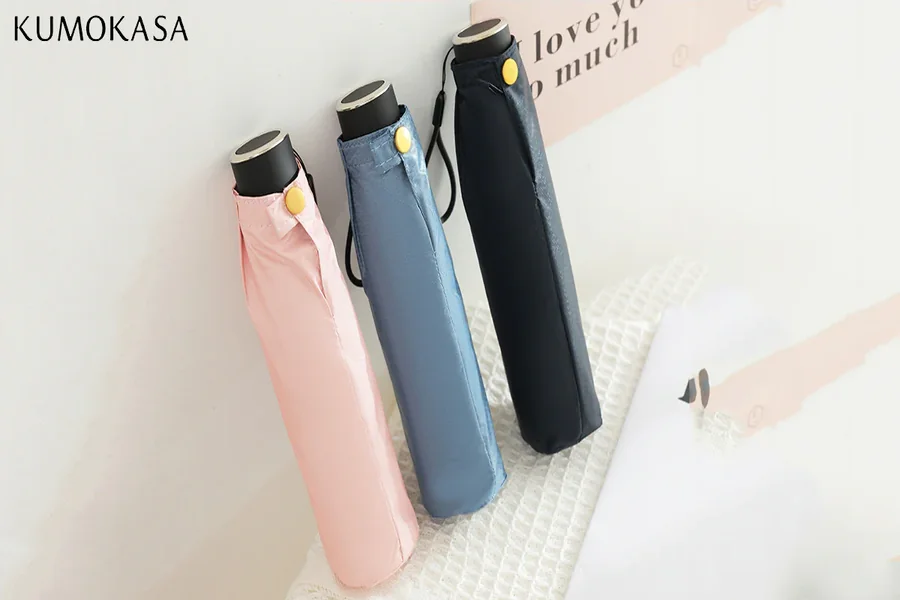
In Japan, fashion, functionality, and seasonal awareness often come together harmoniously, and parasols are no exception. As summers grow increasingly hot and UV levels climb, sun umbrellas have become an essential part of everyday life, particularly among women, but increasingly among men as well. In Japan, parasols are not merely tools for shade but expressions of personal style, health consciousness, and cultural sensibility.
In this article, we’ll explore Japan’s most popular types of parasols, what makes them so beloved, and how they reflect the unique intersection of Japanese aesthetics and practicality.
Why Parasols Are So Popular in Japan
Before diving into specific types, it’s important to understand why parasols are so widely used in Japan. Summers in Japan can be sweltering and humid, with temperatures regularly reaching above 35°C (95°F). At the same time, Japanese society places a high value on maintaining clear, healthy skin and avoiding sun damage.
While sunscreen and hats help, they don’t offer full-body shade. Parasols provide a stylish and efficient solution. They are compact, easy to carry, and offer superior protection from UV rays and heat. Many parasols in Japan feature fabrics treated with special UV-blocking materials that boast UPF ratings of 50+.
This practical accessory is also deeply embedded in cultural norms, especially among women. Using a parasol is seen as functional, elegant, and refined. However, parasols designed specifically for men have gained momentum in recent years, signaling a broader acceptance across demographics.
1. 100% Light-Blocking Parasols
These are, without question, the most popular type of parasol in Japan. Known for their exceptional UV protection, 完全遮光日傘 feature special coatings or fabrics that prevent all sunlight from penetrating. The inner layer is often coated with a black, opaque finish that enhances sun protection, reducing glare and heat absorption.
Why They’re Popular:
- Provides maximum UV protection (UPF 50+)
- Ideal for people with sensitive skin or strong sun allergies
- Blocks visible light and heat, keeping the user noticeably cooler
- Often doubles as a rain umbrella, making it a dual-purpose item
These parasols are frequently used during peak summer months (July to September), especially by commuters, parents with young children, and women concerned about sunspots or aging skin.
2. Compact Folding Parasols
Another crowd favorite, the コンパクト折りたたみ日傘 is a staple in handbags and backpacks across Japan. These umbrellas are known for their portability and convenience, folding down to sizes as small as a smartphone. Despite their small stature, many have sturdy frames and UV-blocking fabrics.
Why They’re Popular:
- Lightweight and travel-friendly, perfect for commuting and daily use
- Can be stored in small bags or pockets
- Often comes with a carrying case or pouch for easy storage
- Available in a wide range of colors, prints, and fabrics to suit personal style
Busy professionals, students, and travelers tend to favor this type, as it allows them to prepare for sudden sun exposure without the burden of carrying a full-size umbrella.
3. Lace-Trimmed and Embroidered Parasols
For those who prioritize fashion as much as function, lace-trimmed and embroidered parasols offer the perfect blend. These parasols often feature delicate lace borders, floral embroidery, or pastel color palettes that reflect seasonal themes such as cherry blossoms or hydrangeas.
While they may appear decorative, many still maintain high levels of UV protection and durable structures beneath their aesthetic exteriors.
Why They’re Popular:
- Seen as elegant and feminine, ideal for summer outings or formal wear
- Often coordinate with a yukata (summer kimono) during festivals or events
- A favorite among young women and fashion influencers
- Make beautiful gifts due to their ornate design and quality construction
These parasols elevate sun protection into a fashion statement, making them popular for practical use, photo shoots, and social media posts.
4. Men’s Parasols
In recent years, men’s parasols have emerged as a growing trend. These are designed with more neutral colors, rugged construction, and ergonomic features. While traditionally, men may have avoided carrying parasols for fear of appearing overly concerned about their appearance, modern designs emphasize practicality and confidence.
Many men’s parasols in Japan are made with carbon-fiber ribs, heat-reflective linings, and windproof features—appealing to those who value function above all.
Why They’re Popular:
- Offer excellent sun protection without compromising masculine aesthetics
- Suitable for businessmen, cyclists, and outdoor workers
- Often multi-functional—usable in both rain and sun
- Lightweight yet sturdy, fitting modern commuting needs
The rise of men’s parasols marks a broader cultural shift toward more gender-neutral wellness practices and sun-conscious living.
5. Automatic Open-Closed Parasols
This type caters to users who value convenience above all. With the push of a button, these parasols spring open or close quickly—ideal for those juggling bags, phones, or children. Though slightly heavier due to the mechanism, they are appreciated for their ease of use and modern feel.
Many automatic parasols in Japan also come with upgraded UV-protective coatings and anti-heat linings.
Why They’re Popular:
- Great for people who need quick, one-handed operation
- Often used by commuters and busy parents
- Reliable structure makes them ideal for sudden weather changes
- Offers a premium feel and often includes extra features like slip-proof handles
While not as lightweight as traditional models, their sheer convenience makes them a go-to option for many urban dwellers.
Final Thoughts: The Art of Shade in Everyday Life
In Japan, the parasol is more than a tool—it symbolizes grace, mindfulness, and attention to health. Japanese parasol design reflects the country’s unique blend of innovation and aesthetics, whether it’s the all-shade efficiency of 100% light-blocking types or the portable charm of compact folding umbrellas.
As UV levels continue to rise and summers grow hotter, the popularity of parasols will likely increase even further. What was once a seasonal accessory is now a year-round essential, offering protection, peace of mind, and a little extra style.
If you’re considering adding a parasol to your daily life, take a page from Japan’s book: choose a model that suits your needs, matches your look, and keeps you cool and safe, one shaded step at a time.
