

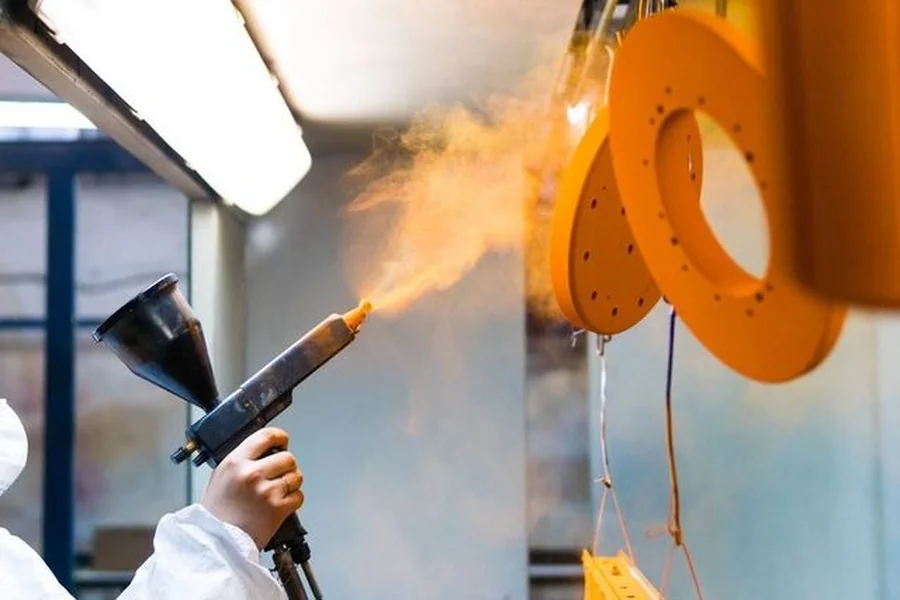
In shops where the air buzzes with paint sprayers and curing ovens, safety isn’t just a checklist—it’s a lifestyle. Workers want to finish the day without headaches, rashes, or worse. The shift toward using a powder coating machine, including powder coating ovens, is raising questions about how much safer these systems really are compared to liquid coating methods.
Eliminates Harmful VOC Emissions
Liquid coatings rely on solvents that release volatile organic compounds (VOCs). These are the invisible troublemakers—chemicals that evaporate into the air during spraying and drying. VOCs can cause short-term irritation or long-term health damage, especially in tightly sealed workspaces. A powder coating machine, on the other hand, uses dry powder that doesn’t need solvents. That means no evaporation, no harmful fumes, and far less need for specialized ventilation systems.
By removing VOCs from the equation, a powder coating setup supports better indoor air quality. Workers aren’t constantly exposed to toxic fumes, and facilities don’t need to install expensive capture systems to remain compliant. This safer air quality also reduces fatigue and improves focus, making the job easier on both body and mind.
Reduces Exposure to Flammable Solvents
Solvents used in liquid coatings are highly flammable. That’s why paint shops require rigid fire safety protocols, spark-proof equipment, and constant airflow systems. One wrong spark in the wrong place can cause more than just a scare—it can lead to fires or worse. A powder coating machine removes most of that risk. Without flammable solvents, the workplace becomes a much safer zone.
This also allows teams to work with less anxiety about every piece of equipment being a hazard. There’s no need to stress over spontaneous ignition or hidden leaks of explosive vapors. That peace of mind helps workers stay focused on quality instead of worrying about what might go wrong behind the scenes.
Lower Risk of Respiratory Issues
Breathing is something workers shouldn’t have to second-guess. Spraying liquid coatings creates mist and fumes that linger, even with masks and exhaust fans. Over time, exposure to those fine particles can lead to serious respiratory concerns. A powder coating machine sprays powder that’s easier to capture, with far less airborne residue if handled correctly.
That’s not to say powder doesn’t float—it does—but it settles quickly and is easier to clean. Many operations use filtered booths and recovery systems that scoop unused powder from the air. With better filtration and minimal chemical vapor, workers are less likely to inhale substances that cause chronic lung conditions or irritation.
Minimizes Skin Contact with Hazardous Chemicals
Liquid coatings are messy. They splash, drip, and soak into clothing and skin. Solvents and resins used in liquid coatings can cause burns, allergic reactions, and dermatitis. Workers often deal with this every day, despite gloves and aprons. A powder coating machine makes this a smaller issue. The powder doesn’t stick unless it’s electrically charged, and there’s less chance of chemical exposure through accidental contact.
Even during cleanup or part changes, powder is easier to handle without risking skin damage. In most setups, workers can brush off excess powder rather than scrubbing off sticky liquids. Less skin contact means fewer burns and reactions, which leads to fewer work interruptions and more confidence in the process.
Reduced Fire and Explosion Hazards
The risk of fire is one of the biggest concerns in any coating facility. Liquid coatings bring both flammable fumes and explosive conditions to the table. Sparks, open flames, or even static discharge can become major threats. A powder coating machine, especially a powder coating oven, lowers those risks dramatically. Powder doesn’t ignite as easily, and there are strict grounding measures built into every step of the process to prevent combustion.
This makes powder systems ideal for enclosed workspaces or areas with heavy dialogueexpress traffic. Even during high-volume runs, the fire risk remains far lower than traditional spray painting. Fire marshals and insurance companies tend to favor powder setups for this reason alone.
Cleaner Working Environment
Liquid paint booths often feel like battle zones—overspray sticks to walls, equipment gets slick with residue, and cleanup is constant. Powder coating areas stay cleaner by design. A powder coating machine operates with dry materials that don’t cling unless applied electrostatically. That keeps the workspace more organized and less contaminated.
Cleaner spaces don’t just look better—they improve productivity and morale. Workers aren’t tripping over sticky equipment or cleaning gear before every use. Less mess means more time focused on actual coating, and that efficiency can translate into higher output and fewer errors.
Easier Handling of Non-Toxic Powder Materials
Handling barrels of solvent-soaked paint takes training, caution, and heavy lifting. By contrast, powder comes in dry, sealed containers that are lighter and easier to manage. Many of the powders used in a powder coating machine are non-toxic or far less harmful than liquid coatings. This doesn’t mean safety gear isn’t needed New Solutions Journal, but it reduces the level of hazard across the board.
There’s also less worry about chemical spills or leaks damaging floors, equipment, or skin. Workers can reload hoppers without dealing with slimy buckets or cleaning thick sludge. Over time, this makes a big difference in how safe and enjoyable the job feels—especially for newer employees learning the ropes.
