

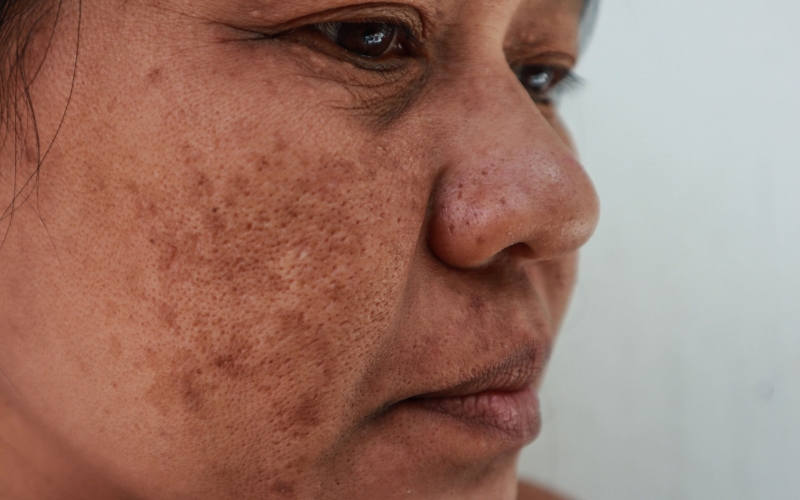
Pigmentation disorders are not always easy to deal with. That’s why you may be referred to a pigmentation doctor in Singapore if you’re struggling with pigmentation as that is an area they specialize in.
For treatment, pigmentation doctors use various treatments, including topical medications, laser therapy, chemical peels, and microdermabrasion. The key determiners here are the type of pigmentation you’re dealing with, your treatment expectations, and your skin type.
Learn more about pigmentation removal on this page: https://onefaceclinic.com/myth-debunked-lasers-cure-all-melasma-and-pigmentations/. Apart from administering treatments, pigmentation doctors also educate patients on proper skincare and sun protection to prevent further pigmentation problems.
But, what are the signs that it is time to see a pigmentation doctor? Keep reading to find out.
What are the Early Signs of Pigmentation?
Skin pigmentation develops when the cells responsible for producing melanin (melanocytes) become overactive or damaged. This excess melanin can lead to dark spots or patches on the skin.
There are several factors that may influence melanocyte activity. However, the most notable ones include sun exposure, hormonal changes, and genetics. Since pigmented areas on the skin sometimes appear when you aren’t even aware, many people do ask; what are the early signs of pigmentation?
Though not always so obvious, the early signs of pigmentation often manifest as subtle changes in skin color and texture. These signs are typically most noticeable on the face, and more particularly on the cheeks, nose, and forehead.
A common indicator you will want to keep an eye on if you’re worried about pigmentation is the appearance of discolored patches. These patches may be darker or lighter than the surrounding skin and can sometimes even be mistaken for freckles or age spots.
The difference is that they tend to be more irregular in shape and distribution. Another possible early sign is the development of an uneven skin tone. Just as the name suggests, with this development, certain areas of the skin may begin to appear darker or lighter than others, a development that may create a blotchy or mottled appearance, particularly on the face.
In some cases, these changes in skin tone may be accompanied by a rough or bumpy texture. Please note that these early signs of pigmentation aren’t universal.
They can vary widely from person to person, so not everyone will experience the same symptoms. If you notice any unusual changes in your skin, especially on your face, your best bet is a consultation with a knowledgeable dermatologist for a proper diagnosis and treatment plan.
When Should I Worry about Pigmentation?
Most forms of pigmentation on the skin are usually benign and not even a cause for concern. So perhaps the only time you should worry about pigmentation is if the changes are noticeable and cause significant concern, if you’re getting persistent darkening or lightening of the skin that doesn’t improve, and if you have pigmentation that comes with sensations like heat or excessive irritation. Here’s a more in-depth look into these indicators;
● Skin Discoloration
Skin discoloration refers to any change in the color of your skin. It can manifest as patches of skin that are darker or lighter than the surrounding skin.
It is wise to seek medical advice if these changes are noticeable and cause significant concern. This is important because skin discoloration can be a result of various underlying conditions, including hormonal changes, sun exposure, and skin injuries.
Only knowledgeable pigmentation doctor can help you with a proper assessment for accurate diagnosis. Depending on the results, they would recommend appropriate treatment options based on your specific condition.
● Persistent Changes
You may also want to see a pigmentation doctor in Singapore if you notice persistent, unexplained darkening or lightening of the skin that does not improve over time. We recommend seeing a pigmentation doctor for these changes as they could indicate an underlying health issue.
For example, they could be suggestive of melasma, vitiligo, or even skin cancer. It is best not to ignore these changes, as early detection and treatment can lead to better outcomes.
● Skin Lesions
Skin lesions are abnormal areas of the skin that may appear as sores, bumps, or patches. Any skin sore or lesion that changes shape, size, or color should be evaluated by a medical professional.
These changes could be a sign of skin cancer, such as melanoma, which requires prompt diagnosis and treatment. Regular skin checks and immediate medical attention for suspicious lesions can help in the early detection and prevention of skin cancer.
● Skin Sensations
Pay attention to how your skin feels. Sensations like heat, excessive irritation, or pain in areas of pigmentation may indicate an underlying issue that requires medical attention.
It is the same case if your skin is releasing any liquid, such as pus or blood. These symptoms could be indicative of an infection or other skin condition that needs treatment so make a point of seeing a knowledgeable pigmentation doctor in Singapore for assessments and treatment planning if necessary.
● Family History
A family history of skin conditions or skin cancer can increase your risk of developing pigmentation issues. So, please be vigilant about monitoring changes in your skin and seeking medical advice if you have a family history.
Your pigmentation doctor in Singapore cannot only assess your risk factors. They can also recommend appropriate screening and preventive measures to protect your skin health.
● Exposure to Environmental Factors
Did you also know that extended exposure to sunlight, harsh chemicals, or environmental pollutants can trigger pigmentation changes in the skin? If you are regularly exposed to these factors, please monitor your skin for any changes and seek medical advice if needed.
It is actually advisable that you protect your skin from excessive sun exposure and only use gentle skincare products. These steps can help prevent pigmentation issues caused by environmental factors.
● Psychological Impact
Pigmentation issues like acne scars, for example can have a significant impact on your mental health and quality of life. This shouldn’t be the case.
So, consult with your pigmentation doctor in Singapore if your pigmentation issues are causing you distress or affecting your self-esteem. Your mental health is just as important as your physical health. Depending on your most pressing needs, your pigmentation doctor may administer treatment or refer you to a mental health professional who can help you cope with any emotional challenges associated with pigmentation concerns.
Closing Thoughts
While most pigmentation issues aren’t a cause for concern, it isn’t very wise to live with pigmentation especially if they’re affecting your mental health or if they’re suspicious. Help is available. So, find a skilled pigmentation doctor for assessments, treatment planning, and guidance if necessary.
Many people who visit our clinic for pigmentation treatment in Singapore refer their close ones to our facility for similar services. We offer thorough assessments and tailored treatments so you can rest assured your pigmentation treatment will be custom-tailored to your unique needs. Get in touch today to learn more. Details below;
One Face Clinic – Pigmentation | Melasma | Acne Singapore
1 Tras Link,
#02-01 Orchid Hotel Singapore,
Singapore 078867
