

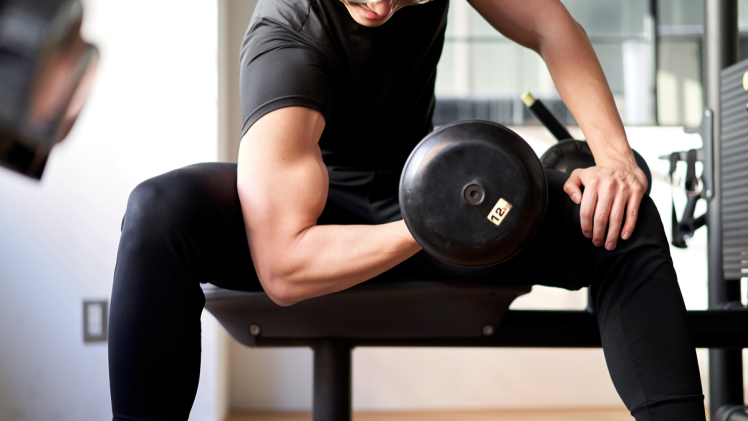
Tracking progress in your fitness journey is crucial for motivation, accountability, and ensuring that you are making strides towards your goals. When it comes to dumbbell workouts, keeping a close eye on your progress can help you maximize your results, avoid plateaus, and make necessary adjustments to your routine. This comprehensive guide will walk you through various methods and strategies to effectively track your progress with dumbbell workouts and where you can purchase dumbbell sets online, covering everything from setting goals to using technology and monitoring various aspects of your fitness.
Setting Clear and Measurable Goals
Establishing Baseline Metrics
Before you begin tracking your progress, it’s essential to establish baseline metrics. This involves recording your current performance levels, such as the weights you can lift, the number of repetitions you can perform, and your overall fitness level. Key metrics to consider include:
- Maximum Weight Lifted: The heaviest dumbbells you can lift for a particular exercise, such as bicep curls or shoulder presses.
- Repetition Maximum (RM): The maximum number of repetitions you can perform at a given weight. For example, your 10RM is the maximum weight you can lift for 10 repetitions.
- Body Measurements: Measurements of key areas like chest, arms, waist, hips, and thighs.
- Body Weight and Body Fat Percentage: Using a scale and body fat analyzer to track changes in body composition.
Setting SMART Goals
Effective goal-setting involves creating SMART goals: Specific, Measurable, Achievable, Relevant, and Time-bound. Here are examples of SMART goals for dumbbell workouts:
- Specific: “Increase my dumbbell bench press weight by 10 pounds.”
- Measurable: “Perform 3 sets of 12 reps with 25-pound dumbbells.”
- Achievable: “Add 5 pounds to my dumbbell squats every two weeks.”
- Relevant: “Improve my upper body strength to enhance overall fitness.”
- Time-bound: “Achieve these goals within the next 12 weeks.”
Keeping a Workout Journal
Recording Workouts
Maintaining a workout journal is one of the most straightforward and effective methods to track your progress. Each entry should include:
- Date: The day of your workout.
- Exercises Performed: A list of all exercises completed.
- Sets and Reps: The number of sets and repetitions for each exercise.
- Weights Used: The weight of the dumbbells used for each set.
- Rest Periods: The duration of rest between sets.
- Notes: Any additional observations, such as how you felt during the workout, any difficulties faced, or milestones achieved.
Analyzing Trends
Periodically review your journal to analyze trends in your performance. Look for patterns such as consistent strength gains, increases in endurance, or improvements in technique. This analysis can help you identify areas where you are excelling and areas that may need more focus.
Utilizing Technology
Fitness Apps
Numerous fitness apps are designed to help track your workouts and progress. Popular options include:
- MyFitnessPal: Offers comprehensive tracking for workouts, nutrition, and body metrics.
- JEFIT: Provides detailed workout tracking, customizable routines, and progress analysis.
- Strong: Specifically designed for strength training, allowing easy logging of sets, reps, and weights.
Wearable Devices
Wearable fitness devices, such as smartwatches and fitness trackers, can provide valuable data on your workouts. Features to look for include:
- Heart Rate Monitoring: Track your heart rate during workouts to ensure you’re working in the optimal zone for your fitness goals.
- Calorie Burn: Monitor the number of calories burned during each workout session.
- Activity Tracking: Record your daily activity levels, including steps taken, distance covered, and active minutes.
Online Communities
Joining online fitness communities can provide additional motivation and accountability. Platforms like Reddit, Fitocracy, and Facebook groups offer spaces to share your progress, ask for advice, and receive support from like-minded individuals.
Monitoring Performance Metrics
Strength Gains
Tracking your strength gains is essential for understanding your progress. Key indicators include:
- Increased Weights: Regularly increasing the weights you lift indicates improved strength.
- Repetition Increases: Performing more repetitions with the same weight shows enhanced muscular endurance.
- Improved Form: Maintaining proper form with heavier weights or higher repetitions demonstrates strength and technical proficiency.
Muscle Hypertrophy
Measuring muscle hypertrophy, or muscle growth, involves tracking changes in muscle size. Methods include:
- Body Measurements: Regularly measuring key areas such as biceps, chest, and thighs to observe growth.
- Visual Changes: Taking progress photos to visually compare muscle development over time.
- Body Composition: Using tools like body fat calipers or bioelectrical impedance analysis (BIA) scales to monitor changes in muscle mass and body fat percentage.
Endurance and Stamina
Improving endurance and stamina can be tracked through:
- Repetition Increases: Performing more repetitions with the same weight or within a set time frame.
- Reduced Rest Periods: Decreasing the time needed to recover between sets.
- Extended Workout Duration: Increasing the length of your workout sessions without a drop in performance.
Flexibility and Mobility
Tracking flexibility and mobility improvements is crucial for overall fitness and injury prevention. Methods include:
- Range of Motion: Measuring improvements in the range of motion for key exercises, such as squats or shoulder presses.
- Flexibility Tests: Performing standardized flexibility tests, like the sit-and-reach test, to track progress.
- Daily Activities: Noting improvements in daily activities, such as reaching, bending, or squatting, which indicate better mobility.
Adjusting Your Routine
Identifying Plateaus
Tracking your progress helps you identify plateaus—periods where you stop making gains. Signs of a plateau include:
- Stagnant Weights: Struggling to increase the weights you lift.
- Consistent Repetition Counts: Unable to perform more repetitions with the same weight.
- Lack of Muscle Growth: No visible changes in muscle size or body composition.
Implementing Changes
To overcome plateaus and continue progressing, consider implementing the following changes:
- Varying Exercises: Introduce new exercises to target muscles differently and avoid overuse injuries.
- Adjusting Sets and Reps: Change your set and rep scheme, such as switching from 3 sets of 10 reps to 5 sets of 5 reps.
- Altering Rest Periods: Modify rest periods between sets to challenge your muscles differently.
- Incorporating Advanced Techniques: Use techniques like drop sets, supersets, or pyramid sets to add intensity to your workouts.
Regularly Reassessing Goals
As you make progress, it’s important to regularly reassess and adjust your goals. Achieving initial goals may require setting new, more challenging objectives to continue advancing. Reassess your goals every few months to ensure they remain relevant and motivating.
Nutrition and Recovery
Tracking Nutrition
Nutrition plays a critical role in your progress with dumbbell workouts. Track your dietary intake to ensure you’re fueling your body appropriately for muscle growth and recovery. Key aspects to monitor include:
- Macronutrients: Track your intake of proteins, carbohydrates, and fats to ensure balanced nutrition.
- Caloric Intake: Monitor your daily caloric intake to support your fitness goals, whether it’s muscle gain, fat loss, or maintenance.
- Hydration: Keep track of your water intake to stay adequately hydrated, which is crucial for performance and recovery.
Prioritizing Recovery
Recovery is essential for making progress and avoiding injuries. Track your recovery practices, such as:
- Sleep: Ensure you’re getting sufficient sleep, aiming for 7-9 hours per night.
- Rest Days: Schedule regular rest days to allow your muscles to recover and grow.
- Active Recovery: Incorporate low-intensity activities, such as walking or yoga, to promote blood flow and reduce muscle soreness.
Psychological and Emotional Progress
Mental Health Benefits
Tracking your progress also involves noting the psychological and emotional benefits of your workouts. Regular exercise with dumbbells can:
- Reduce Stress: Exercise helps release endorphins, reducing stress and improving mood.
- Boost Confidence: Achieving fitness goals enhances self-esteem and confidence.
- Improve Focus: Regular physical activity can improve cognitive function and focus.
Reflecting on Achievements
Take time to reflect on your achievements and the positive impact of your fitness journey on your mental well-being. Journaling about your feelings and experiences related to your workouts can provide valuable insights and motivation.
Where To Buy Dumbbell Sets
At this point we have learnt the importance of dumbbell workouts and how to track your progress. Now you should know where you can buy good quality Dumbbell Sets, right? So, if you are living in the United States, you can choose True Iron Fitness’s Dumbbells Sets as your workout companion, because they are in this business for many years and they provide very good quality dumbbell sets. You can find various dumbbell sets here like Urethane Dumbbell sets, Rubber Hex Dumbbell sets and 5-50 rubber hex dumbbell sets and 5-100 Rubber Hex Dumbbell Set are the favorite choices.
Conclusion
Tracking your progress with dumbbell workouts is an essential aspect of a successful fitness journey. By setting clear and measurable goals, maintaining a detailed workout journal, utilizing technology, and monitoring various performance metrics, you can effectively gauge your progress and make necessary adjustments to your routine. Additionally, paying attention to nutrition, recovery, and psychological well-being ensures a holistic approach to fitness. Consistent tracking and reflection not only help you achieve your goals but also provide a sense of accomplishment and motivation to continue pushing your limits. So, pick up those dumbbells, start tracking your progress, and watch yourself transform both physically and mentally.
