

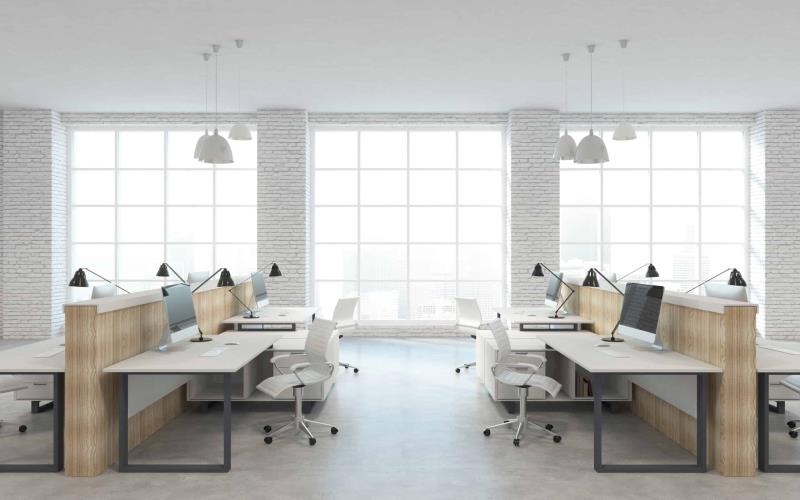
In the evolving landscape of modern work environments, businesses are realising the importance of creating flexible workspaces that can adapt to the needs of their employees. Whether you’re setting up a home office or designing a corporate space, modular office furniture is the key to maximising both functionality and comfort. Among the various types of office furniture, modular office desks stand out as a versatile solution that allows for greater adaptability. These desks can be customised to fit a variety of layouts, offering endless possibilities for creating dynamic and efficient workspaces.
Modular office desks are not only practical but also foster a collaborative and organised environment. The flexibility they offer ensures that each employee has a workstation tailored to their needs, promoting productivity and well-being. In this article, we’ll explore how to create a flexible workspace using modular office desks, highlighting the benefits, design considerations, and practical steps to achieve an ideal setup.
What Are Modular Office Desks?
Modular office desks are pieces of office furniture designed to be easily reconfigured or expanded. These desks come in a variety of shapes, sizes, and components, making them perfect for businesses of all kinds. The modular design means that individual units can be added, removed, or rearranged without the need for new furniture altogether. This adaptability allows businesses to scale up or down, adjust to changing needs, or accommodate different team sizes.
These desks can be paired with various accessories such as storage units, shelving, and privacy panels, making them even more versatile. Modular office desks allow companies to create bespoke workspaces that are aligned with the specific requirements of their teams, whether for focused work, collaborative projects, or casual discussions.
Why Modular Office Desks Are Ideal for a Flexible Workspace
One of the biggest advantages of modular office desks is their ability to adapt to different needs and environments. Traditional office furniture can be static, limiting your ability to adjust your workspace as your company grows or as employees’ needs evolve. Modular office desks, on the other hand, allow you to create a dynamic and multifunctional environment that can change when necessary.
1. Customisable Layouts
Whether you need to create a series of individual desks for a more private, focused work style, or an open-plan setup for collaborative teamwork, modular desks can be easily configured to suit your space. These desks can be arranged in various layouts, such as linear, L-shaped, U-shaped, or even circular, depending on the room size and work requirements.
2. Space Maximisation
Modular office desks are perfect for offices of all sizes, including smaller spaces where every square foot matters. By choosing desks that can be adjusted to fit tight corners or smaller areas, you can make the most out of your available space. For example, L-shaped modular desks can easily fit into corners, utilising otherwise unused space, while rectangular desks can be grouped together to create larger workstations without overwhelming the room.
3. Adaptability for Different Work Styles
Today’s workforce is diverse, with individuals working in different ways. Modular office desks allow businesses to cater to this diversity by offering various configurations for different work styles. Some employees may prefer a more traditional, individual desk setup, while others might thrive in a collaborative, shared workspace. With modular furniture, you can mix and match designs to create areas for both focused work and group interactions.
4. Growth and Flexibility
As businesses grow, their office furniture needs evolve. Modular office desks make it easier to accommodate new employees without having to purchase entirely new desks. Instead, you can simply add additional modules to existing setups, creating new workstations without the hassle and cost of replacing entire pieces of furniture.
Key Considerations When Designing a Flexible Workspace
When creating a flexible workspace, it’s essential to consider both the functionality and aesthetics of the space. A well-designed office can boost productivity and employee morale, and modular office desks play a significant role in achieving this balance.
1. Define Your Needs
Before choosing modular office desks, it’s important to evaluate your space and identify the specific needs of your team. Do you require individual desks, or is a more collaborative setup preferred? Are there areas designated for meetings or quiet work? Understanding these needs will help you select the appropriate desk configurations and accessories.
2. Prioritise Ergonomics
Comfort is crucial for creating a productive workspace. When choosing modular office desks, prioritise ergonomic design to ensure that employees are comfortable and supported throughout the day. Features such as adjustable height, proper desk depth, and good cable management can significantly impact employee well-being.
3. Integration with Technology
In today’s digital age, technology plays a central role in most work environments. Modular desks should be designed with technology integration in mind, offering built-in cable management systems and ample space for computers, monitors, and other tech devices. Some modular desks even come with integrated power outlets, allowing employees to plug in their devices without creating a cluttered workspace.
4. Aesthetic Consistency
While flexibility and functionality are the primary concerns when designing a workspace, aesthetics also play an important role. Choose modular office desks that complement your company’s branding and overall design scheme. A visually cohesive workspace creates a positive impression on employees and visitors alike, contributing to a more professional and welcoming environment.
How to Implement Modular Office Desks in Your Workspace
Once you’ve considered the above factors, it’s time to implement modular office desks in your workspace. Here’s a step-by-step guide to help you create a flexible and functional office layout.
1. Plan Your Space
Begin by mapping out your office space, considering the flow of foot traffic, natural light sources, and the type of work being done. This will help you determine the most effective layout for your modular office desks. Consider using design software or working with an interior designer to visualise your ideas before making any purchases.
2. Select the Right Modular Desks
Choose modular office desks that match your space requirements and employee needs. Consider factors such as desk size, storage options, and whether additional accessories such as privacy panels or desk dividers are necessary. Ensure that the desks are durable and made from high-quality materials that will withstand daily use.
3. Arrange the Desks
Once the desks have been selected, arrange them according to your plan. This might involve placing individual desks along the perimeter of the room or arranging several desks together for collaborative work. Be sure to leave adequate space for movement and ensure that each employee has enough room for their tasks.
4. Add Functional Accessories
To complete your flexible workspace, consider adding accessories that will enhance the functionality of your modular office desks. Options include file storage units, mobile pedestals, overhead shelves, and task lighting. These accessories can be easily added or moved as needed, ensuring that your workspace remains flexible and organised.
5. Review and Adjust
After setting up the workspace, take time to review its functionality. Are employees comfortable and productive in the new layout? Are there any adjustments that need to be made for better efficiency or aesthetics? Don’t hesitate to rearrange the modular desks or add/remove components as necessary to maintain an optimal workspace.
Conclusion
Creating a flexible workspace using modular office desks is an excellent way to accommodate the diverse needs of today’s workforce. By offering customisable layouts, space maximisation, and adaptability, these desks provide the perfect solution for businesses of all sizes. With careful planning and attention to ergonomics, technology integration, and aesthetics, you can design a workspace that not only boosts productivity but also fosters employee satisfaction and collaboration. Whether you’re setting up a home office or rethinking your corporate environment, modular office desks offer the flexibility and functionality you need to thrive in a dynamic work world.
