

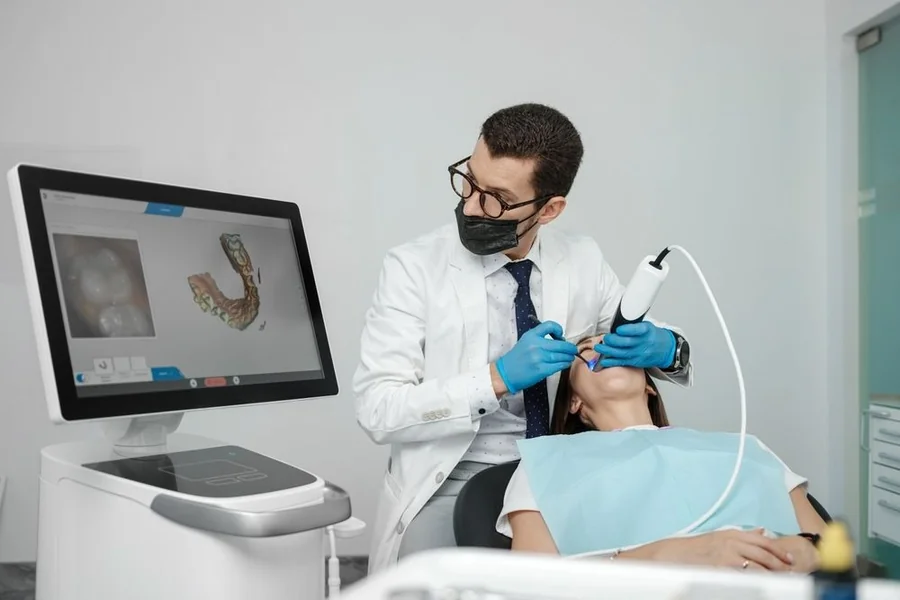
Your mouth tells a story that X‑rays and other images can finally show. General dentists now use digital imaging to see what you cannot. They can spot cavities between teeth, infections under fillings, bone loss, and hidden cracks before they turn into emergencies. As a result, treatment becomes targeted, faster, and less painful. A dentist in Barlett, IL can compare images over time and track small changes. That helps you avoid guesswork, delays, and surprise costs. Modern tools like digital X‑rays, 3D scans, and photos work together. Each one gives a different view. Together they guide clear choices about fillings, crowns, root canals, and gum care. This blog explains how these imaging tools work, what they show, and how they shape your treatment plan. You will see why saying yes to imaging protects your health and your peace of mind.
Why your dentist depends on images
Teeth and gums hide problems. You only see the surface. Decay can grow between teeth. Infection can spread under a crown. Bone can shrink around roots. You might feel nothing until damage is severe.
Images change that. They let your dentist:
- Find problems early
- Plan treatment that fits your mouth
- Check if treatment worked
Early treatment means shorter visits, smaller fillings, and less stress. It also protects your budget. You fix one crack instead of a full tooth.
Main imaging tools in general dentistry
Your dentist uses three main kinds of imaging. Each one answers different questions.
1. Digital bitewing and periapical X rays
These are the X rays you know best. You bite on a small sensor. The camera takes a quick picture.
Bitewings show:
- Cavities between teeth
- Fit of fillings and crowns
- Bone levels between teeth
Periapical X rays show:
- Whole teeth from crown to root
- Infection at the tip of roots
- Root shape and length
The Centers for Disease Control and Prevention notes that early treatment of decay prevents tooth loss. These X rays are often the first line for finding that decay.
2. Panoramic X rays
A panoramic image shows your whole mouth in one picture. The machine moves around your head while you stand still. You do not bite on anything.
Panoramic X rays show:
- Wisdom teeth
- Jaw joints
- Cysts or growths
- Overall bone pattern
They help your dentist spot big problems that single tooth X rays miss. They guide choices about extractions, braces, and implant planning.
3. Cone beam CT and 3D scans
Cone beam computed tomography, often called CBCT, creates a 3D view of your teeth, roots, and jaws. The scan is quick. You stand or sit while the unit circles your head.
CBCT helps your dentist:
- Plan implants
- Study complex root canals
- Check jaw joints
- Measure bone height and width
3D imaging gives depth. It shows the exact path of nerves and sinuses. That reduces surprises during surgery and lowers risk.
4. Intraoral photos
An intraoral camera is a small wand with a light. Your dentist moves it around your mouth. The images appear on a screen in front of you.
These photos show:
- Cracks in enamel
- Wear from grinding
- Red or swollen gums
- Broken fillings
Photos help you see what your dentist sees. That builds trust. It also helps you understand why a treatment is needed now and not later.
Comparing common dental imaging tools
| Imaging tool | What it shows best | Usual use | Visit time impact
|
|---|---|---|---|
| Bitewing X rays | Cavities between teeth and bone levels | Routine checkups | Short. Only a few minutes |
| Periapical X rays | Whole tooth and root tips | Tooth pain and root checks | Short. Taken as needed |
| Panoramic X ray | Whole mouth overview | New patient visits and wisdom teeth review | Short. One sweep of the machine |
| Cone beam CT | 3D view of bone, roots, and nerves | Implant and complex treatment planning | Moderate. Setup and scan time |
| Intraoral photos | Surface cracks, wear, and gum changes | Patient education and progress tracking | Short. Often during the exam |
How images guide your treatment plan
Your dentist uses images in three clear steps. First, they detect. Second, they plan. Third, they review.
Step 1. Detect problems early
X rays and photos can show:
- Tiny cavities that do not hurt yet
- Bone loss from gum disease
- Infection under old work
With this information, your dentist can suggest simple fillings, deep cleanings, or root canal care before the tooth fails. The National Institute of Dental and Craniofacial Research explains that decay starts small and grows. Imaging lets your dentist act while it is still small.
Step 2. Plan treatment that fits you
Once a problem is found, images help answer three questions.
- How large is the damage
- Where are nearby nerves and sinuses
- How strong is the surrounding bone
With clear pictures, your dentist can choose between:
- Filling or crown
- Root canal or extraction
- Bridge, implant, or partial denture
3D scans help place implants in bone that can support them. Periapical X rays help shape root canal work so it reaches the full length of the root.
Step 3. Review and adjust
After treatment, images confirm success. Your dentist may take:
- A post treatment X ray to check a root canal
- A checkup X ray to see if bone is healing around an implant
- New photos to compare gum health over time
These follow up images show if your mouth is stable. If something changes, your dentist can respond before you feel pain.
Radiation and safety
Many people worry about radiation. That concern is human and fair. Digital dental X rays use a low dose. Lead aprons and thyroid collars protect other parts of your body.
Dentists follow the ALARA concept. That means they keep radiation As Low As Reasonably Achievable while still getting the needed image. Your dentist only takes images when the benefit to your health is clear.
How you can use imaging to protect your family
You can take three simple steps.
- Ask what each image is for and what it will show
- Keep regular checkups so changes are caught early
- Share your medical history and any past head or neck radiation
When you understand your images, you can make calm, informed choices. You can see the crack, the shadow, or the gap in bone. You no longer have to rely on guesswork or fear.
Imaging tools let your dentist move from reacting to pain to preventing it. That means fewer emergencies, more control, and a stronger mouth for you and your family.
