

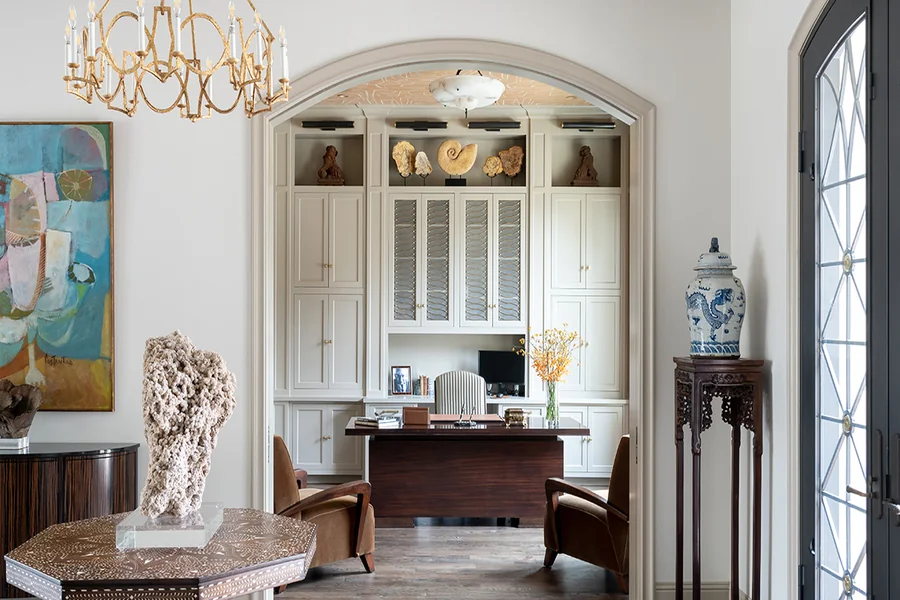
More people are choosing to stay in their own homes as they grow older rather than move into care facilities. Aging in place offers comfort, familiarity, and independence, but it also calls for thoughtful planning. A future-proof home is one that adapts to your needs over time and supports safety and ease of movement as circumstances change. From layout considerations to everyday details, preparing your space now means fewer worries later down the line. Whether you’re renovating for yourself or a loved one, a few smart choices today can make all the difference further down the road.
Prioritizing Entry and Exit Access
One of the most important areas to address is how you enter and exit your home. Steps can become a barrier with age or injury, so alternatives like ramps and low-threshold doors are worth considering. Outdoor lighting, handrails, and wide, slip-resistant walkways make a big difference too. Automated doors or keyless entry systems can offer added convenience. If stairs are present at entry points, think about relocating essential rooms to the ground floor or exploring equipment that allows continued access to upper levels without excessive strain.
Planning for Future Mobility
Even if mobility isn’t currently an issue, it’s wise to design your home with future needs in mind. Features like wider doorways, open layouts, and lever-style handles make spaces easier to use over time. Multi-level homes may pose challenges later, which is why many people choose to install home elevators during renovations. These systems make upper floors accessible without relying on stairs, adding both functionality and long-term value. Planning ahead allows you to continue using your full home comfortably, no matter how your needs evolve.
Bathroom Safety Upgrades
Slips and falls frequently occur in the bathroom, so safety upgrades are crucial. Replacing traditional tubs with walk-in showers improves accessibility and reduces risk. Non-slip flooring, strategically placed grab bars, and adjustable-height showerheads are simple improvements that go a long way. Consider a raised toilet seat or wall-mounted sink if space is tight or if wheelchair access might be necessary in the future. Safety features don’t have to look clinical. Modern options are available in a wide range of styles and finishes.
Lighting and Visibility
Good lighting is often overlooked, yet it plays a vital role in safety and comfort. Vision can change with age, making it harder to see obstacles or read labels. Add task lighting in kitchens and bathrooms, motion-activated lights in hallways, and nightlights in bedrooms and bathrooms. Consider rocker-style light switches, which are easier to operate than traditional toggle switches. Use bright, warm lighting that mimics natural daylight and helps reduce eye strain. Improved visibility helps everyone feel more confident and secure in their daily routine.
Technology for Safety and Convenience
Modern technology offers many tools to support independent living. Smart home technology lets you manage lighting, climate, and security using voice commands or smartphone apps. Video doorbells, automatic lights, and emergency alert devices provide added safety and peace of mind. Appliances with safety shut-offs, induction cooktops, and smart ovens help reduce risks in the kitchen. As technology continues to evolve, integrating these tools into your home design ensures that your space remains both practical and comfortable as your needs change.
