

You worked hard to straighten your teeth. Now you want them to look complete. That is why many people choose cosmetic bonding after braces or aligners. Orthodontic care fixes crowding, gaps, and bite problems. It does not always fix worn edges, small chips, or uneven tooth shapes. As a result, your smile can still feel unfinished. Cosmetic bonding uses tooth colored material to reshape and repair teeth in one visit. You avoid drilling in most cases. You keep your natural tooth. You gain a smoother, more even smile. Many patients ask an orthodontist in Van Nuys about bonding once treatment ends. They want teeth that look as good as they function. This blog explains why bonding is common after orthodontic care, what it can and cannot fix, and how to know if it fits your mouth, your budget, and your long term plans.
What Changes After Braces Or Aligners
Orthodontic care reshapes how your teeth fit together. It lines teeth up so you can chew, speak, and clean your mouth with less effort. Yet when the braces come off, you may notice three things.
- Your teeth are straight but look uneven in length.
- Old chips or worn corners stand out more.
- Black triangles or small gaps near the gums bother you in photos.
These issues are common. They are not failures of your treatment. They are shape and size problems, not position problems. Braces move teeth. They do not rebuild lost enamel.
How Cosmetic Bonding Works In Simple Terms
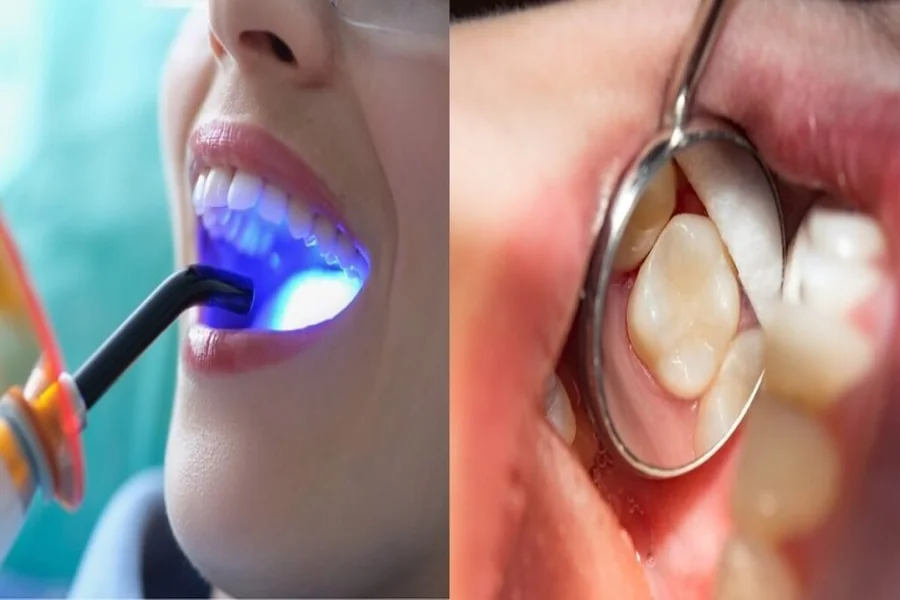
Cosmetic bonding uses a tooth colored resin. The dentist shapes this material on your tooth, then hardens it with a light. You can think of it like patching a wall after you move a picture. The wall stands fine. You only fix the small marks.
With bonding, the dentist can:
- Lengthen short teeth.
- Cover chips and worn edges.
- Close small gaps between teeth.
- Mask stubborn stains on single teeth.
The structure of your tooth usually stays intact. The dentist often roughens the surface, places the resin, shapes it, and polishes it. Treatment often finishes in one visit. There is rarely a numbing shot.
Why Bonding Is Common After Orthodontic Care
You notice details once your teeth are straight. Small flaws that hid in crowding now feel loud. Bonding helps in three main ways.
- It evens out edges so your smile line matches your lips.
- It fills tiny spaces that still catch food or show in photos.
- It corrects single teeth that look too small or narrow.
Research from the National Institute of Dental and Craniofacial Research shows that enamel wear and minor chips are common across ages. Orthodontic care does not erase that wear. Bonding gives you a way to repair what time and use changed.
Bonding Compared With Other Options
You may hear about veneers, crowns, or more orthodontic work. Each choice has tradeoffs. The table below shows simple comparisons.
| Treatment | Main Purpose | Tooth Removal | Visits | Typical Use After Orthodontic Care
|
|---|---|---|---|---|
| Cosmetic bonding | Shape and gap fixes | Little to none | One | Chips, black triangles, short teeth |
| Porcelain veneers | Color and shape change | Moderate enamel removal | Two or more | Larger shape changes, many front teeth |
| Dental crowns | Strength and full cover | Significant tooth trimming | Two or more | Heavily broken or decayed teeth |
| More orthodontic care | Tooth movement | None | Months to years | Bite issues or rotated teeth |
Bonding often fits when teeth are straight, healthy, and only need small shape changes. It is less aggressive than veneers or crowns. It is also faster than more orthodontic treatment.
Benefits You And Your Family May Notice
After bonding, people often report three changes.
- They smile more in family photos.
- They feel less tension about close up talks.
- They say their teeth feel smoother to the tongue.
The Centers for Disease Control and Prevention notes that oral health links with social and emotional health. When you feel ashamed of chips or gaps, you may hide your smile. Bonding can help release that strain in a simple way.
Limits And Risks You Should Know
Bonding is helpful. It is not perfect. You need clear facts.
- Bonding resin can stain from coffee, tea, or tobacco.
- It can chip, especially on front teeth that bite hard foods.
- It usually lasts several years, then may need a touch up or redo.
Also, bonding does not fix bite problems. It does not treat decay or gum disease. Those need care first. If a tooth has large cracks or heavy wear, a crown or other treatment may protect it better.
How To Decide If Bonding Fits You
You can use a simple three step check.
- Look in a mirror and smile from different angles. Note what bothers you. Is it color, shape, or position.
- Ask your orthodontist or dentist to explain if the issue is a movement problem or a shape problem.
- Discuss bonding as one option. Ask what they would do if it were their own tooth.
Bring photos of the smile you want. Be clear and honest. Say what you like and what you fear. This helps your care team design small changes that still look like you.
How To Care For Bonded Teeth
Good care keeps bonding stable for a longer time.
- Brush twice a day with a soft brush and fluoride toothpaste.
- Clean between teeth daily with floss or another tool your dentist recommends.
- Wear a mouthguard if you play contact sports.
- Use a night guard if you grind your teeth in your sleep.
- Avoid biting ice, pens, or hard candy with bonded teeth.
Regular checkups let your dentist smooth rough spots and fix small chips early. That keeps your smile steady and strong.
When To Talk With Your Orthodontist Or Dentist
The best time to ask about bonding is near the end of orthodontic care or at your retainer visit. You can also bring it up any time you notice new chips or stains. You deserve straight teeth that also look complete. With clear facts and a simple plan, you can choose if cosmetic bonding is the right last step for your smile and your family’s peace of mind.
