

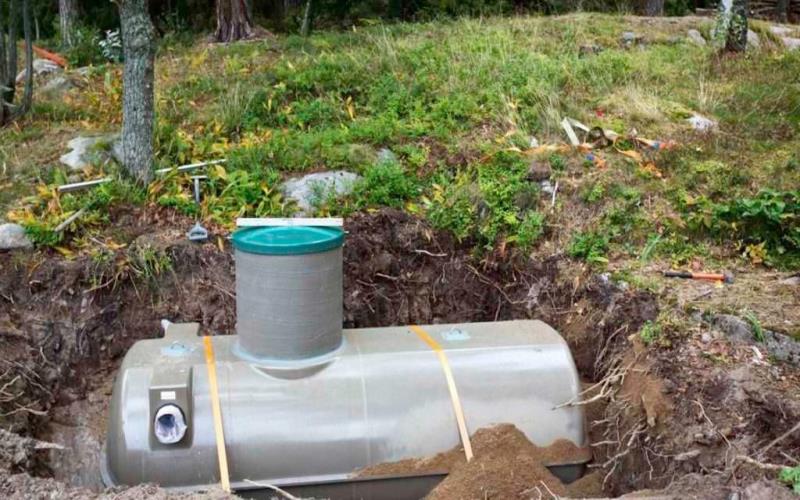
Drip septic systems are a common waste management choice in areas without municipal sewage access. They use a slow-release method to distribute wastewater through the soil. Understanding the pros and cons of these systems is crucial for homeowners and builders alike.
This blog covers the key benefits and drawbacks to help you make an informed decision. Are you considering installation or assessing your current setup? Our straightforward insights provide the guidance you need.
Dive in to learn more about how a drip septic system works and if they’re right for your property.
Understanding Drip Septic Systems
A drip septic system distributes treated wastewater below the earth’s surface using small pipes. This is unlike traditional systems, which use large trenches or beds.
How Does a Drip Septic System Work?
The process starts with waste entering a septic tank. Solids settle at the bottom, and liquids float on top. These liquids then move into a second tank for further treatment.
Finally, the treated water is pumped through drip tubing buried under the soil. This allows it to be safely absorbed.
Why Choose a Drip Septic System?
You might need a drip septic system if you have limited land. Or, if you are concerned about the environmental impact of your waste system. It’s designed to work on sloped or uneven ground, making it versatile.
The Advantages of Drip Septic Systems
Drip septic systems offer several benefits, making them an attractive choice for many homeowners.
Efficient Land Use
One of the most significant advantages is efficient land use. Since the drip lines are buried shallowly, this system requires less space than conventional systems. This is ideal for smaller lots or properties with challenging landscapes.
Improved Wastewater Treatment
The treatment process in a drip septic system is robust. Wastewater is treated in multiple stages before being released. This ensures a higher quality of treated water. This reduces the risk of contamination of nearby water sources.
Environmentally Friendly
Drip septic systems are eco-friendly. The treated water is slowly spread over a large area. This minimizes its impact on the nearby environment. This method also promotes healthier soil and vegetation as the nutrients in the treated water are absorbed.
Flexibility in Installation
These systems are highly flexible. They can be installed on various types of terrain, including rocky or hilly areas, where traditional systems might fail. This adaptability makes them suitable for a wide range of properties.
Low Maintenance
With fewer moving parts compared to other systems, drip septic systems generally require less maintenance. Regular inspections and occasional cleaning of the septic tank can keep the system running smoothly for years.
The Disadvantages of Drip Septic Systems
While there are many benefits, it’s important to consider the potential downsides of drip septic systems.
Higher Initial Costs
One major drawback is the higher initial cost. Drip septic systems can be more expensive to install than traditional systems due to the complexity of the setup and the need for specialized equipment.
Regular Monitoring Required
Although maintenance is generally low, these systems do require regular monitoring. Ensuring that the drip lines are not clogged and that the septic tank pump is functioning properly is essential to avoid system failure.
Potential for Clogging
The small pipes used in drip septic systems are prone to clogging. This can occur if the treated wastewater contains too many solids or if the system is not maintained correctly. Clogs can lead to system backups and potential damage.
Limited Treatment Capacity
Drip septic systems might not be suitable for very large households or commercial properties with high wastewater output. They have a limited capacity for treatment and may struggle to handle large volumes of waste.
Seasonal Constraints
In colder climates, shallow drip line placement can be an issue. Freezing temps may impact system efficiency and harm pipes. Consider seasonal adjustments or extra insulation.
Comparing Drip Septic Systems and Conventional Systems
When deciding between a drip system septic and a conventional one, it’s helpful to compare the two.
Space Requirements
Traditional septic systems often require large trenches or absorption fields, making them less suitable for smaller properties. In contrast, drip systems use land more efficiently, making them ideal for restricted spaces.
Treatment Quality
The multi-stage treatment in drip systems typically results in higher-quality treated water compared to conventional systems. This is an important consideration for environmentally conscious homeowners.
Cost Considerations
While the initial setup for a drip septic system is higher, the long-term maintenance costs can be lower due to fewer mechanical components. Conventional systems might be cheaper to install but could incur higher maintenance costs over time.
Is a Drip Septic System Right for You?
Deciding if a drip septic system is the best choice depends on various factors, including your property size, budget, and environmental concerns.
Assessing Your Property
Evaluate your property’s size, layout, and soil type. Drip septic systems are versatile but might not be the best fit for every type of soil or terrain. Consulting with a professional can provide clarity.
Budgeting for Installation
Consider your budget not just for the initial installation but also for ongoing maintenance. Weigh the upfront costs against potential long-term savings and environmental benefits.
Environmental Impact
If minimizing your environmental footprint is a priority, a drip septic system is an excellent choice. Its efficient water treatment and reduced land use make it an eco-friendly option.
Maintaining Your Drip Septic System
Proper maintenance can extend the life of your drip septic system and ensure its effectiveness.
Regular Inspections
Regular inspections by a qualified professional can identify potential issues before they become major problems. Annual check-ups are recommended to keep the system in top condition.
Cleaning and Pumping
The septic tank should be pumped by experts such as these Septic pumping services in Olympia, every 3-5 years, depending on usage. This prevents solids from clogging the system and ensures smooth operation.
Monitoring System Performance
Keep an eye on the system’s performance. Look out for signs of clogging or malfunctioning pumps, and address any issues promptly to avoid costly repairs.
Understand The Advantages and Disadvantages of a Drip Septic System
Drip septic systems have many benefits. They use land well and treat wastewater better. They are eco-friendly and adaptable to various terrains.
However, they come with higher upfront costs and need regular monitoring. Potential issues include clogging and limited treatment capacity. When considering a drip septic system, weigh these advantages and disadvantages to your property and budget.
Proper maintenance can ensure long-term effectiveness. This makes it a viable option for environmentally conscious homeowners.
For more diverse and fascinating topics, explore the other articles on our blog.
