

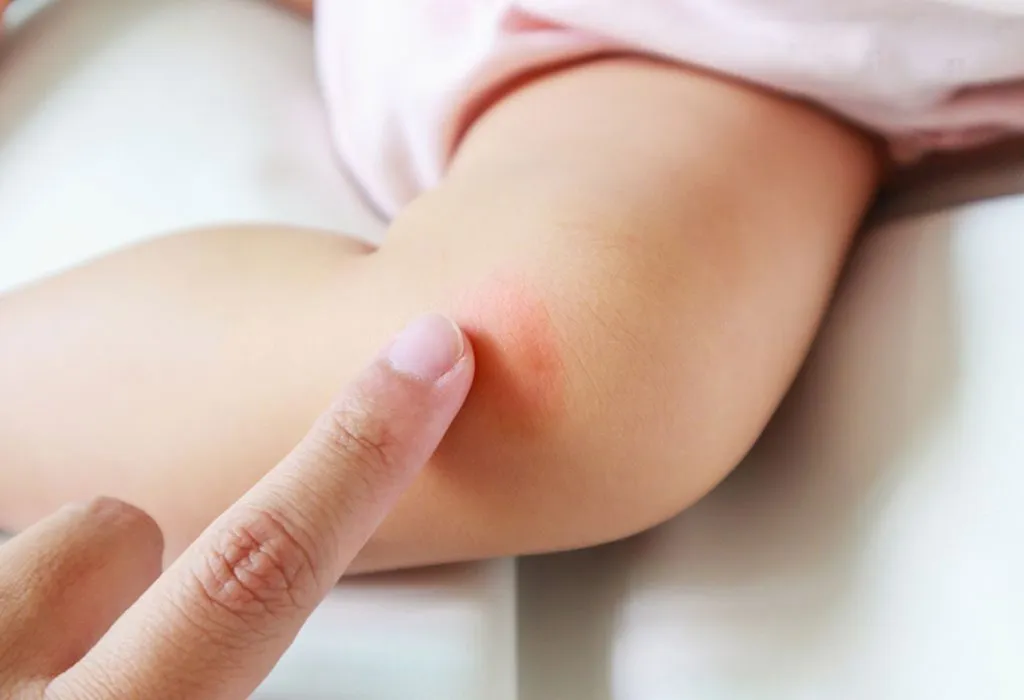
Folliculitis is an inflammation of hair follicles, often a familiar dermatological problem to many. Such inflammation may result from a bacterial or fungal infection, irritation or any skin problem that is likely to occur. Folliculitis can affect any area of the skin with hair follicles; this means any part of the body, be it the scalp, face, chest, back, buttocks, or legs. Folliculitis is usually not very dangerous though it may cause distress and cosmetic issues.
Causes of Folliculitis
Folliculitis can be caused by several factors, including:
- Bacterial Infections: The most prevalent of all is Staphylococcus aurealis, a type of bacterium that inhabits hair follicles.
- Fungal Infections: A detailed description of some microorganisms and parasites involved in the formation of skin diseases includes yeasts and fungi, particularly Candida and Malassezia, which are capable of infecting hair follicles. For information refer to a skincare professional.
- Viral Infections: Most folliculitis cases are caused by viruses including herpes simplex virus.
- Irritation: Some of the causes include; wearing tight dresses, waxing or shaving the skin, rubbing of the skin through tightities or athletic wears.
- Occlusion: Any form of obstruction in the hair follicles by means of heavy creams, oils, make up, as well as other related products may cause folliculitis.
- Hot Tubs: There are different strains of bacteria that may cause skin infections and one of these is the Pseudomonas aeruginosa that may cause what is commonly known as hot tub folliculitis from hot tubs or pools not well maintained.
Types of Folliculitis
There are several types of folliculitis, each with distinct characteristics:
- Bacterial Folliculitis: This type is caused by bacterial infection, often Staphylococcus aureus, and presents as red, pus-filled bumps.
- Hot Tub Folliculitis: Caused by Pseudomonas aeruginosa, this type appears as red, itchy bumps after exposure to contaminated water.
- Pseudofolliculitis Barbae: Commonly known as “razor bumps,” this type occurs in the beard area and is caused by ingrown hairs.
- Fungal Folliculitis: This type results from a fungal infection and can cause clusters of itchy, red, or white bumps.
Symptoms of Folliculitis
Folliculitis symptoms are as follows:
- Red Bumps or Pimples: These can become filled with pus and may be scratched or might be painful.
- Clusters of Small Red Bumps: These clusters can arise round the hair follicle.
- Itching and Burning: The area may become red and swollen and it will also be painful and may itch as well.
- Pain or Tenderness: How to get rid of ingrown hairs on your eyebrows is not a hard task to solve, as these inflammed follicles are frequently sensitive to the touch.
- Crusting and Scabbing: After that, the bumps may open and fill with pus and then they should develop a crust over them.
Treatment
The treatment for folliculitis depends on its severity and underlying cause:
- Topical Antibiotics: In mild bacterial folliculitis, topical antibiotics are administered, and mupirocin is one of the commonly used agents.
- Oral Antibiotics: Severe cases may call for oral antibiotics to clear the infection off before it gets to a worse stage.
Conclusion
Folliculitis is a common and generally mild skin condition that can cause discomfort and cosmetic concerns. Understanding its causes, symptoms, and treatment options can help you manage and prevent outbreaks effectively. If you suspect you have folliculitis, consult a best skin doctor in Lahore for an accurate diagnosis and appropriate treatment plan. With proper care and preventive measures, you can keep your skin healthy and free from infection.
