

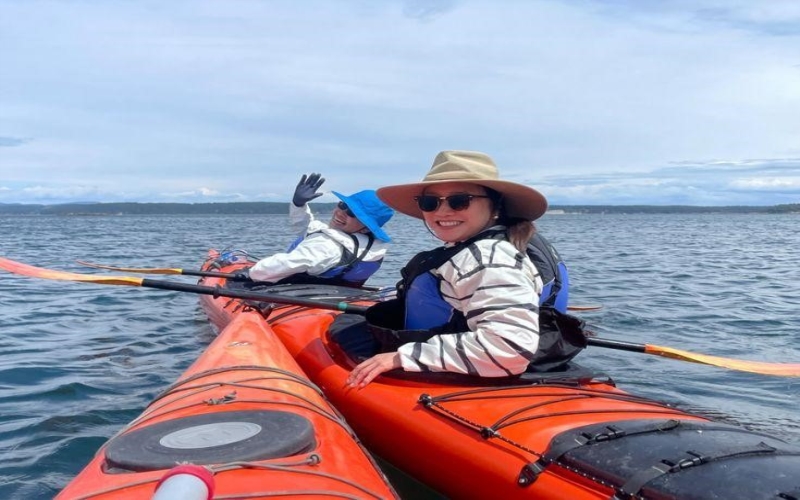
Sea kayaking is an exhilarating adventure that allows you to explore the beauty of the open waters, but it also comes with inherent risks, one of the most significant being hypothermia. Hypothermia occurs when your body loses heat faster than it can produce it, leading to a dangerously low body temperature. In this comprehensive guide, we’ll delve into the essential strategies to avoid hypothermia while sea kayaking, ensuring a safe and enjoyable experience on the water.
Understanding Hypothermia
Before we dive into prevention techniques, it’s crucial to understand the symptoms and stages of hypothermia. Early symptoms include shivering, numbness, confusion, and fatigue. As hypothermia progresses, it can lead to a loss of coordination, slurred speech, and eventually unconsciousness. Recognizing these signs early is vital for taking prompt action to prevent further escalation.
Dressing for Success
Proper attire is the first line of defense against hypothermia while sea kayaking. Layering is key to regulating body temperature and staying dry. Start with a moisture-wicking base layer to draw sweat away from the skin. Add an insulating layer such as fleece or wool to trap heat, followed by a waterproof and windproof outer shell to shield against the elements.
Invest in a high-quality dry suit or wetsuit designed specifically for kayaking. These garments provide insulation and protection from cold water, reducing the risk of hypothermia. Ensure a snug fit to minimize water entry while allowing for freedom of movement.
Stay Hydrated and Nourished
Maintaining proper hydration and nutrition is essential for sustaining energy and regulating body temperature during prolonged kayaking expeditions. Pack plenty of water and snacks that are easy to access while on the water. Opt for high-energy foods like nuts, granola bars, and dried fruits to fuel your adventure.
Avoid consuming alcohol or caffeine, as they can increase dehydration and impair judgment, making you more susceptible to hypothermia. Instead, stick to water or electrolyte-replenishing drinks to stay hydrated throughout your journey.
Practice Safe Kayaking Techniques
In addition to proper attire and nutrition, practicing safe kayaking techniques is crucial for preventing hypothermia. Follow these tips to minimize the risk of exposure to cold water:
1. Check Weather Conditions:
Before setting out, check the weather forecast and sea conditions. Avoid kayaking in inclement weather or rough seas, as this increases the likelihood of capsizing and exposure to cold water.
2. Buddy System:
Always kayak with a buddy or in a group, and stay within sight of each other at all times. In the event of an emergency, having assistance nearby can be a lifesaver.
3. Stay Close to Shore:
Stick to sheltered areas and hug the shoreline, especially in windy or choppy conditions. This reduces exposure to cold water and provides easier access to land in case of an emergency.
4. Practice Self-Rescue Techniques:
Familiarize yourself with self-rescue techniques such as eskimo rolls and re-entry into your kayak from the water. Regular practice builds confidence and ensures you can react quickly in an emergency situation.
5. Carry Safety Gear:
Always carry essential safety gear, including a personal flotation device (PFD), whistle, flares, and a marine radio or cell phone in a waterproof case. These items are critical for signaling for help in the event of an emergency.
Monitor Your Body Temperature
Throughout your kayaking excursion, pay close attention to your body temperature and signs of hypothermia. Take regular breaks to warm up if you start to feel cold, and seek shelter if necessary. It’s better to err on the side of caution and cut your trip short than to risk developing hypothermia.
Conclusion
Sea kayaking offers an unparalleled opportunity to connect with nature and explore stunning coastlines, but it’s essential to prioritize safety, especially when it comes to preventing hypothermia. By dressing appropriately, staying hydrated, practicing safe kayaking techniques, and monitoring your body temperature, you can enjoy your kayaking adventures to the fullest while minimizing the risk of hypothermia.
