

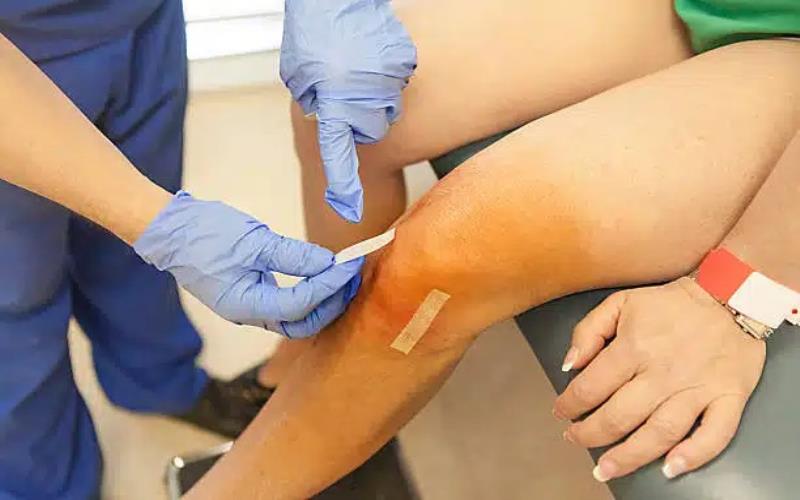
Arthroscopic surgery provides minimally invasive solutions for several joint conditions. An orthopaedic surgeon only needs small incisions and a few specialised instruments to visualise, diagnose, and treat joint problems.
But who needs this procedure, and is it even worth it? Read this guide to the end to discover when your doctor may recommend arthroscopic surgery.
And to read more beyond this article or schedule an appointment with a specialist in Singapore, please contact us using the details shared at the end of the guide. Let’s dive in!
What is Arthroscopic Surgery?
Arthroscopic surgery is also known as arthroscopy. As already mentioned, it is a minimally invasive surgical technique for diagnosing and treating joint problems. Here’s what you can expect during the procedure;
Your orthopaedic surgeon will insert a small, fibre-optic camera through a tiny incision into the affected joint. This camera is called an arthroscope. It provides high-definition images of the joint’s internal structures. This allows for an accurate assessment of the problem.
What are the Advantages of Arthroscopic Surgery?
Compared to the traditional open surgery arthroscopic surgery offers several advantages. Here are the two key advantages;
- The incisions made during arthroscopy are small. This means that you will incur less tissue damage and scarring. And what’s more, you also benefit from reduced pain, faster recovery times, and a lower risk of infection.
- Arthroscopy allows for a more precise diagnosis and targeted treatment. This means that you can almost rest assured of better treatment outcomes.
What can Arthroscopic Surgery be used to Treat?
Arthroscopic surgery is effective in the management of several joint issues. However, there are specific conditions that it is best suited for. Your orthopaedic surgeon may recommend arthroscopic surgery if you need help with;
1. Knee Joint Complications like;
- Meniscus Tears: Meniscus tears are among the most common knee injuries. They mostly occur during sports and related physical activities. Arthroscopy can be recommended for trimming or repairing the torn meniscus. It can be effective in relieving pain and restoring joint function.
- Anterior Cruciate Ligament (ACL) Tears: ACL tears are frequent in athletes. You’re also at risk of these injuries if you live an active lifestyle. Arthroscopic surgery is often the preferred method for reconstructing the torn ACL. It helps promote stability and prevents further damage.
- Osteoarthritis: In mild to moderate osteoarthritis cases, arthroscopy can be utilised to clean out loose fragments and inflamed tissue. This way, it helps alleviate pain and improve joint mobility.
- Loose Bodies and Fragments: Arthroscopy allows surgeons to remove loose bodies and fragments that can cause pain and limited joint movement.
2. Shoulder Joint Complications like;
- Rotator Cuff Tears: Arthroscopy is a preferred approach for repairing torn rotator cuffs. This shoulder joint complication commonly occurs due to overuse or trauma.
- Labral Tears: The labrum is a ring of cartilage that stabilises the shoulder joint. Arthroscopic surgery can repair labral tears and restore joint stability.
- Impingement Syndrome: Arthroscopy can also be used for impingement syndrome. It helps address this by removing inflamed tissue and bone spurs to reduce pressure on tendons in the shoulder.
- Shoulder Instability: This procedure may be recommended for you if you experience recurrent shoulder dislocations. It can be used to tighten and stabilise your shoulder joint to fix this issue.
3. Hip Joint Complications like;
- Femoroacetabular Impingement (FAI): This condition is also known as hip impingement. It causes an abnormal shaping of the hip joint. Arthroscopic surgery can reshape the hip joint to address the impingement. This can help reduce friction between the bones to reduce hip discomfort and pain.
- Labral Tears: Tears in the hip labrum can be repaired using arthroscopic techniques. The procedure can help improve hip function and reduce pain.
- Synovitis: This is an Inflammation of the hip joint lining. It can be alleviated through arthroscopic removal of inflamed tissue.
4. Ankle Joint Complications like;
- Anterior Ankle Impingement: Also known as footballer’s ankle, this is a painful compression or pinching of the bony or soft tissue at the front of the ankle joints. Arthroscopic surgery can be recommended for the impingement due to bone spurs or scar tissue in the ankle joint.
- Cartilage Defects: Arthroscopy allows for the repair damaged cartilage. It also facilitates removal of damaged cartilages to promote healing and reduce pain.
- Ligament Tears: Arthroscopic techniques can be used to reconstruct or repair torn ligaments in the ankle joint.
Who Can Benefit from Arthroscopic Surgery?
Several factors influence the decision for arthroscopic surgery. The severity and chronicity of the condition, failed conservative treatments, age, overall health, and patient goals and expectations should all be considered.
That said, it does help to consult with your orthopaedic surgeon. A good surgeon will assess your specific condition and provide personalised advice.
Is Arthroscopic Surgery Safe?
This procedure actively involves the joints. So, it is natural to worry about its safety.
Now, generally speaking, arthroscopic surgery is safe. But, just like any surgical procedure, it does come with a few risks that you should be made aware of before consenting to the procedure. The common risks include;
- Infection
- Bleeding
- Blood clots, and
- Adverse reactions to anaesthesia
The good news is that the overall complication rates for arthroscopic procedures are relatively low. Also, a skilled surgeon will take all the necessary precautions to minimise these risks.
What Happens During Arthroscopic Surgical Procedure
A typical arthroscopic surgery involves several steps. You can expect to be given anaesthesia, and small incisions made to insert the arthroscope and surgical instruments.
The joint is carefully examined, and necessary repairs or treatments are performed. For the procedure, there are several techniques your surgeon may choose to go with depending on your situation. Common techniques include;
- Suturing
- Removing debris, or
- Reconstructing damaged structures
The procedure is often completed on an outpatient basis. This implies that you can expect to be allowed to return home the same day after the effects of the anaesthesia have faded.
After the procedure, you will be prescribed pain management strategies. Be sure to follow the physical therapy and rehabilitation programs designed for you as directed.
This is essential because these programs help restore joint function, improve strength, and facilitate a smooth recovery. The duration of recovery varies depending on the specific procedure and the your individual factors.
Conclusion
If you’re considering arthroscopic surgery, consult with a board-certified orthopaedic surgeon to determine if this approach is right for you. You will need personalised advice and guidance to achieve the best results.
If you’re in Singapore, contact us below to book your appointment. Call or visit us at;
Artisan Sports & Orthopaedics Surgery
290 Orchard Road,
Paragon Medical Centre #07-12,
Singapore 238859
https://www.artisanorthopaedics.sg/
+65 8909 8877
