

Surface finish symbols, integral components of technical drawings and blueprints, define the necessary surface texture of a finished part. These symbols, governed by standards such as ASME B46.1 and ISO 1302, provide critical information on the manufacturing process, indicating how a surface should be machined, ground, or otherwise finished to meet specific requirements. Understanding these symbols is essential for engineers, designers, and machinists to ensure parts meet the requisite specifications for performance, reliability, and aesthetics. This document aims to elucidate the classification of surface finish symbols, their specific meanings, applications in various industries, and practical guidance on interpreting and applying these symbols to achieve desired surface quality outcomes.
What is Surface Finish and Why is it Important?
Understanding Surface Finish and Its Role in Manufacturing
Surface finish refers to the texture and quality of a part’s exterior or surface, which is critical in determining its functionality, durability, and aesthetic appeal. In manufacturing, achieving the right surface finish is vital for reducing friction, ensuring proper sealing, enhancing appearance, and promoting adherence of coatings or paints. Imperfections at the microscopic level can significantly impact the performance of mechanical components, leading to premature wear or failure. Thus, precise control over surface finish is a key aspect of engineering and manufacturing processes, requiring detailed specifications provided through surface finish symbols.
The Significance of Surface Roughness Parameters in Engineering
Surface roughness parameters are quantitative measures that describe the microscopic variations in the surface topography of materials. These parameters, including average roughness (Ra), peak-to-valley height (Rz), and root mean square roughness (Rq), provide engineers with essential data to evaluate and predict the performance of mechanical components under various operational conditions. By understanding and controlling these parameters, engineers can enhance product longevity, efficiency, and reliability, ensuring that components fulfill their intended engineering roles while meeting strict industry standards.
How Do Surface Finish Symbols Impact Design and Production?
Surface finish symbols serve as a universal language in technical drawings and blueprints, communicating precise instructions for the machining and finishing of parts. Their impact on design and production is substantial, enabling designers to specify the necessary surface quality for functional, aesthetic, or safety requirements. For machinists and manufacturers, these symbols dictate the processes and tools required to achieve the designated surface finish, influencing factors such as material selection, machining operations, and post-processing techniques. Ultimately, the correct interpretation and application of surface finish symbols are crucial for aligning the manufacturing process with design intentions and ensuring the production of high-quality components.
Recommend reading: Surface Finishing Symbols: Understanding Surface Roughness
Decoding Surface Finish Symbols
Interpreting Commonly Used Surface Finish Symbols
Surface finish symbols embedded within technical drawings communicate detailed requirements concerning the texture and quality of a component’s surface. These symbols, often accompanied by numerical values, direct the machining process to achieve specific roughness levels. Common symbols include the basic surface texture symbol, indicating a need for a machined finish without specifying the method, and more detailed ones like the circle-symbol indicating a requirement for a cylindrical or radial finish. Understanding these symbols is pivotal for manufacturing processes, as they directly influence the tools and techniques employed to meet the specified surface finish.
How Surface Texture and Waviness Are Captured in Symbols
The complexity of surface texture and waviness is succinctly captured in surface finish symbols through a combination of lines, figures, and numbers. Each element of the symbol provides information on the surface character—whether it requires a lay direction, specific manufacturing process, or a surface free from directional marks. For example, surface waviness is often represented by a specific symbol modifier that conveys the requirement for a smoother finish than what is indicated by the average roughness value alone. These symbols serve as a blueprint for achieving the desired texture and ensuring the component’s functionality and aesthetics align with its intended application.
The Rz value, representing the average peak-to-valley height of a surface, is a critical parameter in assessing surface roughness and determining compliance with surface finish standards. Its relationship with industry st
Exploring the Relationship Between Rz Values and Surface Finish Standards
andards is vital, as different applications demand varying levels of surface smoothness. For instance, components subjected to high stress or requiring high precision often necessitate lower Rz values, indicative of a smoother surface. Understanding the correlation between Rz values and specific surface finish standards allows engineers and manufacturers to precisely tailor the production process, ensuring that components meet the rigorous requirements of their intended applications. This meticulous attention to surface roughness not only enhances the performance and longevity of mechanical components but also upholds the quality standards set forth by industries globally.
Factors Influencing Surface Finish in Manufacturing
The Role of Different Manufacturing Processes in Achieving Desired Surface Finish
Manufacturing processes play a pivotal role in determining the final surface finish of a component. Techniques such as milling, turning, grinding, and polishing each contribute uniquely to the surface quality. For instance, milling and turning might create a patterned surface characteristic beneficial for certain applications but require subsequent grinding or polishing for others seeking a smoother finish. The choice of process is dictated by the desired Rz value, with each method offering distinct advantages in terms of precision, efficiency, and cost. Understanding the capabilities and limitations of each manufacturing process is essential for engineers and manufacturers aiming to optimize the surface finish while adhering to budgetary and production constraints.
How Material Properties and Tooling Impact Surface Finish
The interplay between material properties and tooling is critical in achieving the desired surface finish. Materials with different hardness, ductility, and grain structure respond uniquely to various machining operations. Harder materials, for example, may require more aggressive machining or specialized tooling to attain the required surface smoothness. Similarly, the choice of cutting tool material, geometry, and cutting parameters (such as speed, feed rate, and cutting depth) significantly influences the resultant surface roughness. Selecting the appropriate tooling and machining strategy based on the material characteristics is vital for minimizing surface imperfections and ensuring compliance with surface finish standards.
Understanding the Influence of Roughness Sampling Length on Surface Profile
The concept of roughness sampling length, or ‘cutoff length’, is paramount in accurately characterizing the surface profile. This parameter defines the length of the surface sampled for roughness measurement, thereby influencing the resolution of surface irregularities captured. A shorter sampling length may emphasize minor surface flaws, while a longer length could smooth out these details, offering a more generalized view of the surface roughness. The choice of sampling length should be aligned with the component’s application requirements and the industry standards governing surface finish. By judiciously selecting the roughness sampling length, manufacturers can more precisely evaluate the surface texture, ensuring compatibility with the functional and aesthetic specifications of their products.
Best Practices for Achieving Optimal Surface Finish
Implementing Polishing and Grinding Techniques for Desired Surface Texture
In the realm of CNC machining, polishing and grinding are pivotal techniques for achieving desired surface textures on machined parts. These techniques are employed post-machining to eliminate superficial defects and enhance surface finish quality. Polishing, usually a less aggressive method, utilizes fine abrasive materials to remove a minuscule layer from the surface, thereby reducing roughness. Conversely, grinding is a more intense process involving the removal of larger amounts of material to achieve a flat and smooth surface. Both techniques require precise control over factors such as abrasive material type, grit size, and applied pressure to target specific roughness levels while preserving the geometric integrity of the component.
Utilizing CNC Machining for Precision Surface Finishes
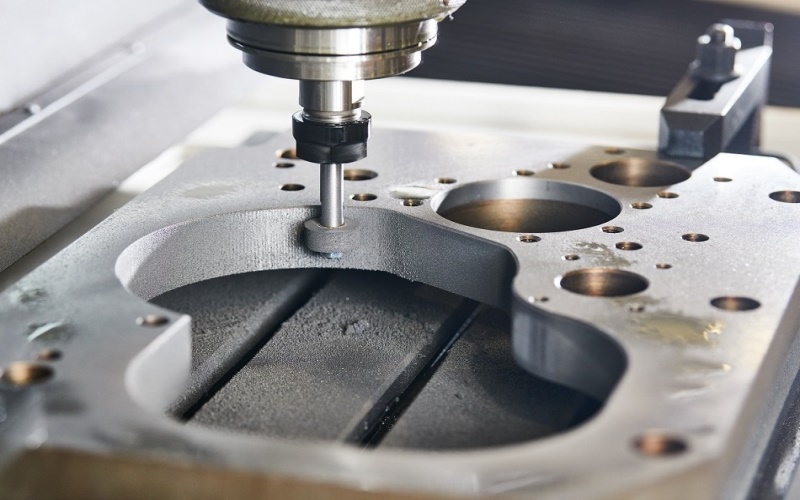
CNC machining stands as a cornerstone technology for producing components with precision surface finishes. Through computer-controlled processes, CNC machining offers unparalleled accuracy and repeatability in controlling cutting parameters, ensuring uniform surface finishes across production batches. The versatility in tool selection and the capability to execute complex tool paths allow for the meticulous modification of surface textures to meet stringent specifications. Adopting CNC machining not only streamlines the production process but also significantly enhances the quality of the surface finishes achievable, befitting applications that demand high precision and aesthetic values.
Measuring Surface Roughness and Waviness for Quality Control
Quality control in manufacturing is critically anchored on the ability to measure and quantify surface roughness and waviness, which are indicative of the surface texture and overall quality of finished components. Instruments such as profilometers and surface roughness testers are extensively used to obtain numerical values representing the amplitude and distribution of surface irregularities. These measurements, often expressed in terms of Ra (average roughness) and Rz (average maximum height of the profile), provide objective benchmarks for assessing product quality against predefined standards. Implementing systematic measurement protocols ensures that products not only meet functional performance criteria but also adhere to customer expectations and regulatory requirements.
