

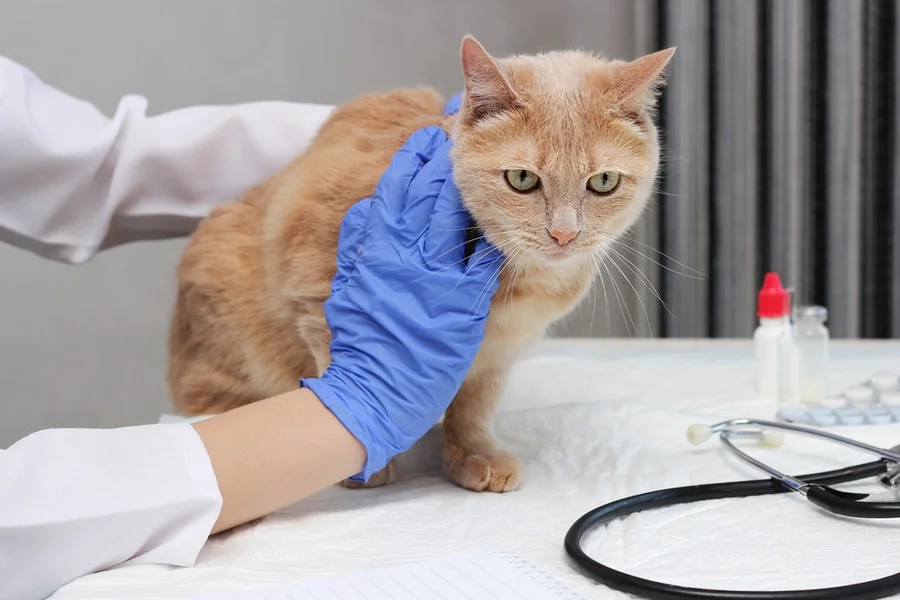
You know your cat better than anyone. You see every small habit, every quiet mood, every strange sound. When something feels off, your concern is real. You might wonder if you should wait and watch, or call a veterinarian in North Hollywood right away. Quick action can protect your cat from pain, slow decline, or sudden crisis. Many serious problems start with small changes that are easy to miss. This blog points to three clear signs that your cat should visit an animal hospital soon. You will see what to look for in your cat’s body, behavior, and daily routine. You will also learn when “it can wait” turns into “go now.” Your cat depends on you to notice trouble and speak up. You are not overreacting. You are keeping your cat safe.
1. Sudden Changes in Eating, Drinking, or Bathroom Habits
Your cat’s daily routine shows a lot about health. A sudden change in food, water, or litter box use is a red flag. You might see these signs over a day or two. Do not wait a week.
Watch for:
- Eating much less or not at all for 24 hours
- Drinking far more or far less than usual
- Straining in the litter box
- Hard, dry stools or no stool for more than two days
- Diarrhea that lasts more than a day or has blood
- Urinating outside the box or passing only drops
Cats that stop eating can develop liver trouble fast. The American College of Veterinary Internal Medicine warns that even short fasting in cats can lead to serious liver disease called hepatic lipidosis.
Changes in thirst or urination can point to kidney disease, diabetes, or urinary blockage. A blockage is an emergency. It can kill a cat in one to two days. Male cats face higher risk. If your cat goes to the box again and again, cries, or passes no urine, go to an animal hospital now.
Use this table to help you decide how fast to act.
| Sign | What You See at Home | How Soon to Call an Animal Hospital
|
|---|---|---|
| No eating | Refuses all food for 24 hours | Call the same day. Visit within 24 hours. |
| Straining to pee | Frequent trips to box. Little or no urine. Possible cries. | Go to an emergency hospital right away. |
| Blood in urine or stool | Pink, red, or dark clots in box or on fur | Call now. Visit within 24 hours or sooner. |
| Ongoing diarrhea | Loose stool for more than one day | Call within 24 hours. Sooner if your cat is young or old. |
| No stool | No poop in box for over 48 hours | Schedule a visit within 24 hours. |
Trust your unease. If the litter box looks different and your cat acts off, call an animal hospital.
2. Trouble Breathing, Moving, or Staying Awake
Breathing and movement show how your cat is coping on the inside. When these change, you face an emergency. Do not wait to see if things clear up on their own.
Signs of breathing trouble include:
- Open mouth breathing at rest
- Fast breathing when your cat is calm
- Nostrils flaring or chest heaving
- Blue or gray gums or tongue
- Wheezing or harsh sounds
Any of these signs need urgent care. You can read about normal and abnormal breathing patterns on the Cornell University College of Veterinary Medicine site at Cornell Feline Health Center.
Movement changes also warn you that your cat needs help. Watch for:
- Sudden weakness or collapse
- Dragging a leg
- Falling to one side
- Stumbling or walking in circles
- Head tilt or eye flicking
These signs can point to heart disease, stroke, blood clots, or nerve problems. A blood clot to the back legs can cause sudden pain and weakness. Cats may cry, pant, and refuse to move. This is an emergency. Your cat feels fear and pain. You can bring relief only with fast care.
Changes in alertness matter too. Call an animal hospital if your cat:
- Sleeps through normal play times and meals
- Is hard to wake
- Stares into space and does not respond to your voice
- Has any seizure or body shaking
Seizures can look small. You might see lip licking, chewing motions, or brief staring. They still need quick care. Take a short video if you can do so safely. Bring it to the hospital. It helps the team see what you saw at home.
3. Sudden Behavior Change or Obvious Pain
Cats hide pain. You often see mood changes first. You may feel like your cat has turned into a stranger. That is your warning.
Watch for these behavior shifts:
- Hiding more and avoiding family
- Growling or hissing when touched
- Refusing to jump on furniture that used to be easy
- Stopping grooming or licking one spot again and again
- Yowling at night or pacing
Pain can come from teeth, joints, belly, or internal organs. Mouth pain can make your cat paw at the face or drop food. Joint pain can cause stiff steps or reluctance to use the litter box if the sides are high.
Use your hands and eyes to check for:
- Swelling on the face, legs, or belly
- Wounds, bite marks, or missing fur
- Heat in one limb
- Uneven pupils or squinting
If your cat cries when you touch a spot, stop. Do not push or stretch the limb. Place your cat in a carrier and go to an animal hospital. Pain that causes cries, hiding, or aggression needs fast relief.
How to Prepare Before You Leave for the Animal Hospital
When you see one of these three sign groups, you may feel panic. A short plan helps you move with purpose.
First, call the animal hospital and tell them:
- Your cat’s age and if there are any known diseases
- The main sign you see and when it started
- Any toxins or plants your cat may have touched or eaten
- Any medicine your cat takes
Next, gather:
- Your cat’s carrier with a towel inside
- Any current medicine bottles
- A fresh stool or urine sample if safe to collect
- Short notes on food, water, and litter box changes
Finally, move your cat gently. Keep sounds low. Cover the carrier with a light towel if your cat feels anxious. Stay calm. Your cat senses your state and needs your steady presence.
When in Doubt, Go
You will never regret acting early for a sick cat. You might always regret waiting too long. Changes in eating, bathroom use, breathing, movement, or behavior are warning signs. They are your cue to seek help.
You are your cat’s only voice. When your gut twists, listen. Call an animal hospital or your trusted veterinarian. Your attention and quick action can turn a crisis into a treatable problem and give your cat more safe, calm days with you.
