

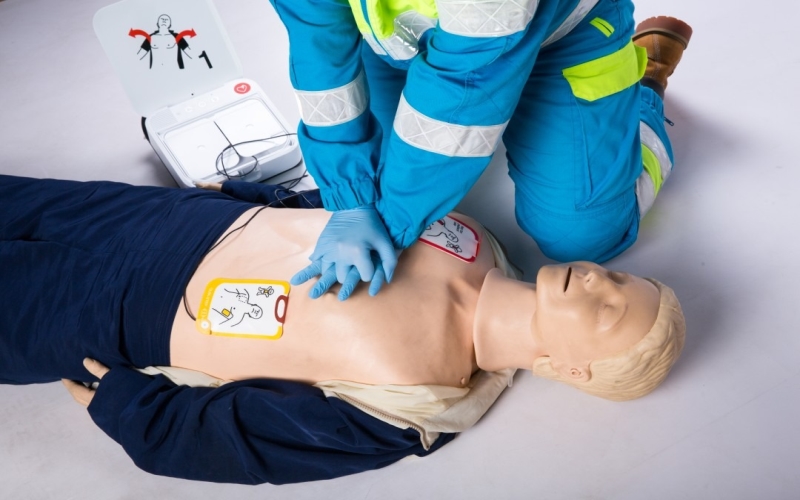
In the high-stakes realm of cardiopulmonary resuscitation (CPR), the accuracy and effectiveness of chest compressions can make the difference between life and death. To enhance the quality of this critical life-saving intervention, medical professionals and first responders increasingly turn to chest compression feedback devices. These innovative tools serve as invaluable guides, monitoring various crucial parameters to ensure that chest compressions are administered with precision and optimal force. Let’s delve into the intricate world of these devices and understand what they monitor to enhance CPR outcomes.
Real-time Compression Depth
One of the primary metrics monitored by chest compression feedback devices is the depth of compressions. Maintaining an adequate compression depth is vital for effectively circulating blood and oxygenating vital organs. These devices use sensors to measure the depth of each compression in real-time, providing instant feedback to the rescuer. This ensures that compressions meet the recommended guidelines, typically falling within a range of 2 to 2.4 inches (5 to 6 centimeters) for adult patients.
Compression Rate
Consistency in compression rate is another critical aspect of effective CPR. Chest compression feedback devices continuously monitor the frequency at which compressions are administered. The American Heart Association recommends a compression rate of 100 to 120 compressions per minute. These devices help rescuers maintain this optimal rate, preventing the common tendency to deviate from the recommended speed during the stress of an emergency situation.
Full Chest Recoil
Achieving full chest recoil between compressions is emphasized in CPR protocols. Inadequate chest recoil can impede blood flow and compromise the effectiveness of compressions. Chest compression feedback devices monitor the release phase of each compression, ensuring that the chest fully recoils before the next compression begins. Real-time feedback on this aspect encourages rescuers to maintain proper technique throughout the resuscitation process.
Hand Positioning
Proper hand positioning during chest compressions is crucial to achieving optimal results. Chest compression feedback devices often incorporate sensors that monitor the placement of rescuers’ hands. This ensures that compressions are administered over the lower half of the sternum, aligning with established guidelines. Accurate hand placement contributes to effective chest compressions and minimizes the risk of injury to the patient.
Compression Fraction
The compression fraction is a metric that evaluates the proportion of time spent on chest compressions during the entire resuscitation effort. Chest compression feedback devices calculate the compression fraction by analyzing the duration and frequency of compressions in relation to the total time spent on resuscitation. A high compression fraction is associated with improved survival rates, and these devices provide real-time data to help rescuers optimize their efforts.
Visual and Auditory Feedback
In addition to monitoring specific metrics, chest compression feedback devices offer real-time visual and auditory feedback to guide rescuers during CPR. Visual indicators, often displayed on the device itself or on connected monitors, provide information about compression depth, rate, and other relevant parameters. Auditory cues, such as metronome-like tones, help rescuers maintain the recommended compression rate.
Integration with Training
Chest compression feedback devices go beyond real-time monitoring during actual resuscitation scenarios. Many devices are designed to facilitate training by storing data from practice sessions. This allows medical professionals to review and analyze performance, identify areas for improvement, and refine their CPR skills. The integration of feedback devices into training programs enhances the preparedness of healthcare providers and first responders.
Conclusion
Chest compression feedback devices play a pivotal role in elevating the quality of CPR by monitoring and providing real-time feedback on critical parameters. As technology continues to advance, these devices contribute to more effective resuscitation efforts, ultimately improving outcomes for patients experiencing cardiac arrest. By focusing on metrics such as compression depth, rate, recoil, hand positioning, and compression fraction, these devices empower rescuers to deliver high-quality chest compressions when every second counts in the race against time to save a life.
