

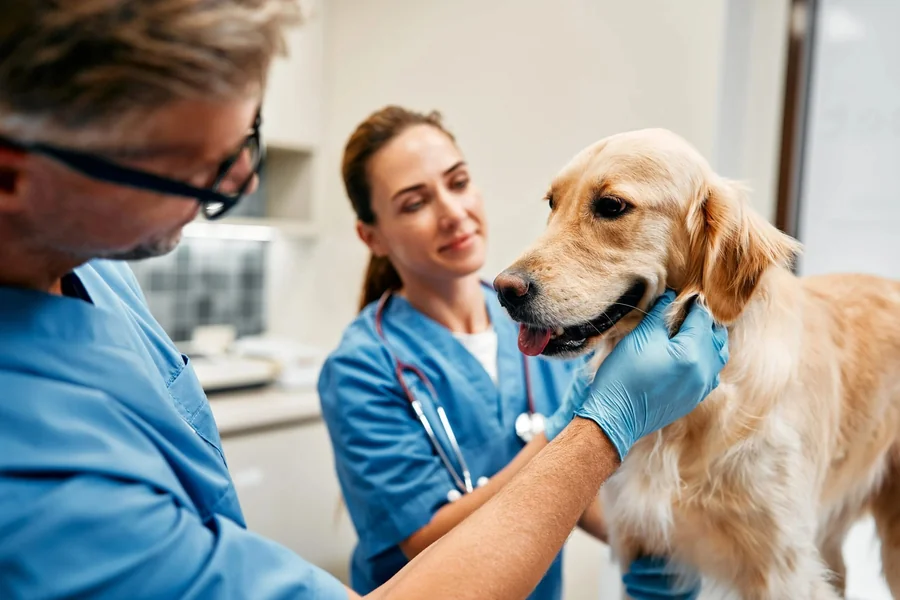
When your pet’s behavior changes, it can feel scary and confusing. You may see biting, hiding, nonstop barking, or sudden house soiling. You might worry that you did something wrong. You did not. Many animal hospitals now offer behavioral consultations to sort through these problems with care and structure. Staff listen to you, study your pet, and look for triggers. They rule out pain or illness. They then build a clear plan that you can follow at home. This plan often includes simple training steps, changes in daily routine, and close follow up. Some clinics, like Fair Oaks animal hospital, use teams that include veterinarians, nurses, and trained behavior staff. You do not have to face this alone. With the right support, your pet can feel safer. You can feel calmer. You both can return to a more steady life together.
Why Animal Hospitals Offer Behavioral Help
Behavior problems are one of the top reasons pets lose their homes. Biting, growling, scratching, or constant noise can strain every person in your home. You may feel ashamed or angry. Your pet may feel fear or pain.
Behavior links closely to health. The American Veterinary Medical Association explains that changes in behavior can be early signs of illness. When you bring your pet to an animal hospital for behavior, the staff look at the whole picture. They do not just look at training. They also look at medical causes, stress, and your home life.
What Happens Before the Visit
You usually start with a phone call or online form. Staff may ask you to fill out a behavior history. This can feel long. It matters. You may share:
- When the behavior started
- How often it happens
- What was happening right before it started
- How you respond each time
- Any past training or punishment
- Changes in your home, such as a new baby or move
Staff may ask for a video of the behavior if it is safe to record. You should never provoke your pet to get a video. Use only clips you already have.
The First Behavioral Consultation
A first visit usually takes longer than a routine checkup. You can expect three main steps.
1. Medical check
The veterinarian examines your pet from nose to tail. Pain, thyroid disease, brain disease, and many other problems can change behavior. The Centers for Disease Control and Prevention reminds pet owners that health and behavior connect closely. Blood work, urine tests, or imaging may be needed. You have the right to ask why each test is done.
2. Behavior history talk
You then sit with the veterinarian or behavior staff and go through your story. They may ask direct questions. You should answer with clear facts. There is no blame. Your honesty helps protect your pet.
3. Observation
Staff may watch how your pet moves, reacts to sound, or responds to you. They may use simple handling to see fear, tension, or confusion. For some problems, such as dog-to-dog aggression, they will only use safe, controlled setups or rely on your video.
Common Behavior Problems Seen in Animal Hospitals
Common Behavior Problems and Usual First Steps
| Behavior problem | Possible medical link | Typical first steps at the hospital |
|---|---|---|
| Sudden house soiling | Urinary infection or pain | Urine test and physical exam. Then, litter box or potty routine review. |
| New aggression when touched | Joint pain or skin disease | Pain check, joint exam, and skin check. Then handling plan. |
| Nonstop barking or meowing | Anxiety or cognitive change | Blood work. Then routine change and training plan. |
| Separation distress | Often behavior based | Video review. Then, alone time, training, and home setup changes. |
Your Behavior Treatment Plan
After the assessment, the staff built a written plan. You should leave with clear steps. Most plans include three parts.
1. Safety and prevention
- Use gates or crates to block risky contact
- Stop rough play that triggers bites or scratches
- Use muzzles only with training and guidance
2. Change in routine and home setup
- Adjust feeding times and walk times
- Create calm rest spots away from noise
- Use puzzle feeders and safe chew toys for mental work
3. Behavior training
- Teach simple cues such as sit, stay, and come
- Reward calm behavior with food or play
- Use gradual steps to expose your pet to triggers only at safe levels
Sometimes, medication is also used. This is to lower fear or panic so training can work. The veterinarian will explain risks and benefits in plain terms. You should ask about side effects and how long your pet may need the drug.
What You Can Expect Over Time
Behavior change is rarely fast. You can expect ups and downs. Progress often comes in three stages.
- First stage. Safety improves. Risk of harm drops.
- Second stage. Outbursts become less strong and less common.
- Third stage. New habits grow. Your home feels steadier.
Follow-up visits or calls help keep you on track. Staff may adjust the plan if progress stalls. You should track behavior in a simple log. Note dates, times, triggers, and your response.
How to Prepare Your Family
Behavior plans work best when every person in the home follows the same rules. You can:
- Hold a short family talk to explain the plan
- Write clear do and do not lists for children
- Post simple rules near doors, such as do not let the dog run out
Children may feel scared after a bite or growl. You should listen to them and respect their fear. You can ask hospital staff for child-friendly ways to rebuild trust.
When to Seek Help Right Away
You should call an animal hospital at once if:
- Your pet bites hard enough to break skin
- Your pet growls or snaps without clear warning
- Your pet shows sudden confusion or a change in sleep, eating, or walking
- You or another person feels unsafe at home
You are not alone in this struggle. Behavioral consultations give you structure, facts, and support. With steady work and clear guidance, many pets learn new patterns. Your bond can grow stronger. Your home can feel peaceful again.
