

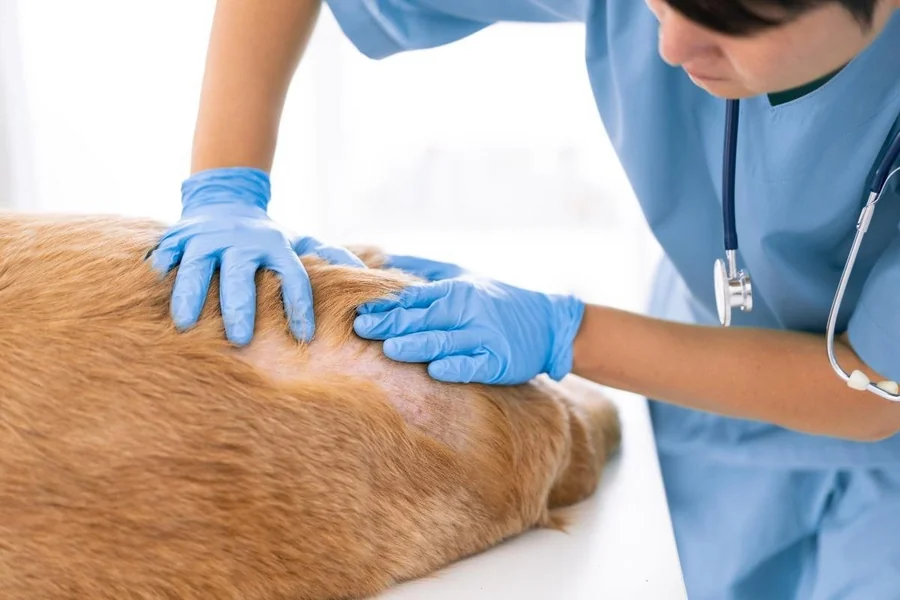
Allergies can turn a calm pet into a restless, itching, miserable companion. You see the scratching, licking, red skin, or stomach trouble. You feel worry and guilt. You want answers you can trust. A veterinarian gives you those answers. You may try to guess the cause at home, but allergies often look like infections, parasites, or food issues. A veterinarian sorts through those possibilities with a clear plan. First, you share your pet’s story. Then the veterinarian examines your pet from nose to tail. Next, you work together on tests and simple changes in food or environment. This careful process protects your pet from constant irritation and long term harm. A Galloway holistic veterinarian also looks at daily habits, stress, and routine. That approach can uncover hidden triggers. With the right diagnosis, you can finally give your pet steady comfort and relief.
Why allergies need a veterinarian, not guesswork
Many signs of allergies look the same as other problems. Red skin, chewing at paws, ear trouble, loose stool, or sneezing can come from many causes. You might change food, shampoo, or laundry soap and hope for the best. That guesswork often drags on. Your pet keeps hurting. You feel worn down.
A veterinarian cuts through that confusion. The goal is simple. Find the cause. Protect the skin, gut, and ears. Give your pet steady relief, not short breaks between flare ups.
Common allergy types veterinarians see
Your veterinarian thinks about three main types of allergies in pets. Each one needs a different plan.
| Allergy type | Main triggers | Common signs | Typical tools a veterinarian uses
|
|---|---|---|---|
| Flea allergy | Flea bites | Intense itching at tail base, scabs, hair loss | Skin check, flea comb, flea control plan |
| Food allergy | Protein in food, sometimes grains | Itchy skin, ear trouble, vomiting, diarrhea | Diet trial, review of treats and table scraps |
| Environmental allergy | Pollen, dust, mold, grass | Seasonal itching, paw chewing, face rubbing | Skin tests or blood tests, home and yard plan |
Step one: Listening to your story
The most useful test often starts with you. Your memory of what you see at home guides every next step. A veterinarian will ask clear questions such as:
- When did the itching or stomach trouble start
- Does it change with seasons or weather
- What food, treats, and table scraps does your pet eat
- What flea and tick products do you use
- Does your pet sleep on carpet, grass, or bedding that holds dust
These details help your veterinarian build a short list of likely causes. That list shapes the exam and tests. It also keeps you from wasting time and money on random changes.
Step two: Full physical exam
Next, the veterinarian examines your pet from head to tail. The goal is to spot patterns. That pattern can point to the type of allergy and to other health problems that may ride along.
The veterinarian often checks:
- Skin for redness, scabs, thick patches, or odor
- Paws for staining from licking and chewing
- Ears for redness, wax, or pain
- Coat for fleas, flea dirt, or hair loss
- Weight and body shape for signs of long term stress or poor diet
This exam also helps rule out mange, ringworm, or other infections that can look like allergies. That step protects your pet from the wrong treatment.
Step three: Simple in clinic tests
After the exam, your veterinarian may run quick tests. These tests are small but powerful. They can change the whole plan.
- Skin scraping. Checks for mites and some infections.
- Cytology. Look at cells from the skin or the ears under a microscope.
- Fecal test. Checks for parasites that can cause stomach trouble.
The U.S. Food and Drug Administration urges pet owners to seek a veterinarian for itchy skin. These tests help your veterinarian follow that advice with a clear plan.
Step four: Diet trials for food allergies
Food allergies can frustrate families. There is no quick blood test that proves a food allergy with full certainty. Instead, veterinarians use a diet trial. This is a strict test, not a simple brand change.
A diet trial usually means:
- Feeding a special diet with one new protein or hydrolyzed protein
- Staying on that diet for 8 to 12 weeks
- Stopping all other food, including table scraps and flavored chews
If your pet improves, your veterinarian may add old foods one by one. A return of signs points to the cause. This process takes patience and trust. It also prevents months or years of stomach trouble and skin pain.
Step five: Allergy testing for environmental triggers
When your veterinarian suspects pollen, dust, or mold, allergy tests can help shape long-term care. These tests do not cure allergies. Instead, they show which triggers stir up your pet’s immune system.
Two common tests are:
- Intradermal skin testing. Small amounts of allergens go under the skin. Swelling shows a reaction.
- Blood testing. A lab measures antibodies to many allergens.
The results help create allergy shots or drops. Over time, these can reduce your pet’s reaction to common triggers. The process is slow but can bring strong relief.
Working as a team for long-term relief
Allergies often last for life. Your pet needs steady care, not a quick fix. A veterinarian builds a layered plan that may include:
- Strong flea control for every pet in the home
- Regular baths with gentle products that your veterinarian approves
- Diet changes that match your pet’s test results and history
- Medicines to control itching and swelling when needed
- Allergy shots or drops for environmental triggers
The Centers for Disease Control and Prevention reminds families that healthy pets support healthy people. When your pet’s skin and gut stay calm, your home feels calmer.
When to call your veterinarian
Contact your veterinarian if you see:
- Scratching, licking, or chewing that disrupts sleep
- Red, smelly, or painful ears
- Streaks of blood or pus on skin
- Frequent vomiting or diarrhea
- Any trouble with breathing or swelling of the face
That last sign can signal an emergency. Seek care at once.
Allergies test your patience. They also test your pet’s strength. With a clear diagnosis and steady teamwork with your veterinarian, you can replace unrest with quiet comfort. Your pet depends on you. You do not face this alone.
