

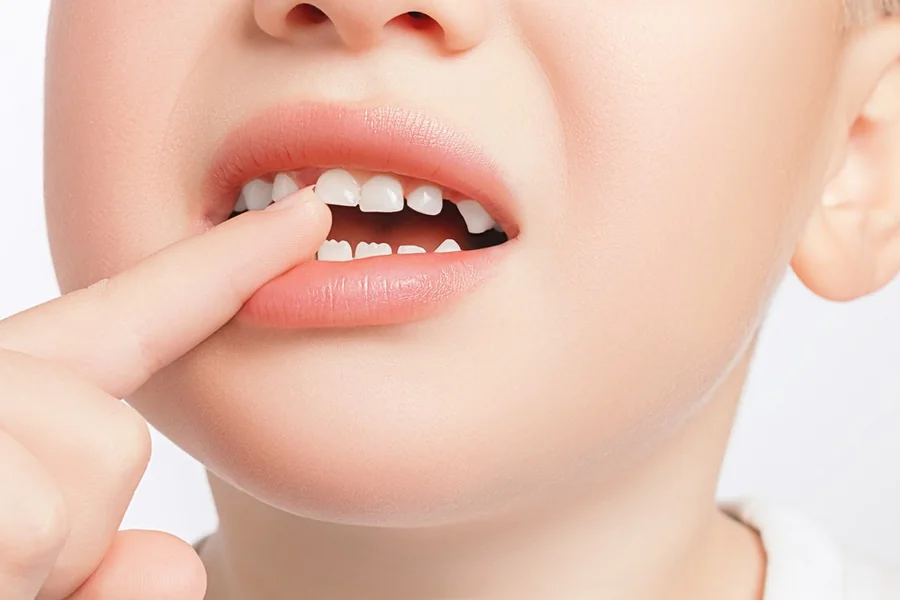
A chipped baby tooth can shock you. Your child cries. You see broken enamel and maybe a sharp edge. You wonder if the tooth can wait or if you must rush out the door. You do not want to ignore pain or risk infection. You also do not want to panic. This guide gives you five clear steps you can use at home right after the injury. You will learn how to calm your child, protect the tooth, control bleeding, and watch for warning signs. You will also know when to call a pediatric dentist in Western Springs for urgent care. Quick action at home can ease pain, prevent more damage, and protect your child’s smile. You deserve clear instructions. Your child deserves steady care.
Step 1: Calm your child and check for other injuries
First, help your child feel safe. Your child will watch your face. Speak in a low voice. Take slow breaths. Hold their hand or hold them in your arms.
Then scan for other injuries. Look for
- Head hit or loss of consciousness
- Confusion or trouble speaking
- Heavy bleeding that does not slow
If you see any of these, call 911. Teeth can wait. The brain cannot.
If there are no head signs, look at the mouth. Use a clean cloth. Wipe away blood and saliva so you can see the teeth and gums.
Step 2: Rinse, clean, and control bleeding
Next, clean the mouth. Use cool water. Have your child gently swish and spit if they can. For younger children, pour a small amount of water into the mouth and let it run out into a bowl or sink.
Then press a clean gauze pad or clean cloth on the bleeding spot. Hold it for 10 minutes. Use steady pressure. If the cloth soaks through, place a new one on top. Do not keep lifting to check. That can restart bleeding.
Cold can reduce swelling. Wrap ice in a thin cloth. Hold it on the cheek near the injured tooth for up to 10 minutes at a time. Remove it for at least 10 minutes between uses.
Step 3: Protect the chipped tooth from more damage
Once the bleeding slows, focus on protection. A chipped tooth can have sharp edges. That edge can cut the tongue, lips, or inner cheek.
Use these steps
- Cover sharp edges with a small piece of sugar-free chewing gum or dental wax if you have it
- Keep your child from biting hard foods
- Stop your child from wiggling or poking the tooth
Offer soft foods only until a dentist checks the tooth. Choose foods like yogurt, applesauce, scrambled eggs, or mashed potatoes. Avoid nuts, chips, raw carrots, and sticky candy.
Also, keep the tooth clean. Use a soft toothbrush. Brush gently around the injured tooth. Do not scrub. You can also rinse with a mild warm salt water mix using one cup of water and one-half teaspoon of salt. Your child should spit it out.
Step 4: Watch for warning signs that need urgent care
Some chips are small. Others expose the inner layer of the tooth. That can hurt and carry a risk for infection. You need to watch your child and the tooth over the next day.
Contact a dentist or seek urgent care if you see
- Constant pain that does not ease with cold compresses
- Tooth looks pink or red inside the chip
- Darkening of the tooth over days
- Swelling of the gum or face
- Fever
- Difficulty eating, drinking, or sleeping from mouth pain
These signs mean the nerve or root may be hurt. The American Academy of Pediatric Dentistry notes that early care lowers the chance of infection and tooth loss.
Step 5: Decide when to seek dental care
Every chipped baby tooth needs a dentist visit. The question is how fast. Use this table to guide your timing.
| Situation | What you see | Pain level | When to see dentist
|
|---|---|---|---|
| Minor chip | Small rough edge. No crack into gum. Tooth color is normal. | Mild or only with cold foods | Schedule visit within 1 to 3 days |
| Moderate chip | Larger piece missing. The tooth looks yellow inside. No bleeding from the tooth. | Moderate. The child avoids chewing on that side. | Call the dentist the same day. Seen within 24 hours. |
| Severe chip or fracture | Tooth looks pink or red inside. Tooth loose or pushed out of line. Gum bleeding or swelling. | Strong pain even at rest | Seek emergency dental care right away. |
| Possible jaw or head injury | Difficulty opening mouth. Jaw looks uneven. Head hit. Confusion or vomiting. | Varies | Call 911 or go to the emergency room at once. |
Baby teeth guide adult teeth into place. Even though they fall out later, damaged baby teeth can affect speech, eating, and self-esteem. Treat them with respect.
How to ease pain safely at home
Cold compresses help many children. You can also ask your child’s health care provider about pain medicine that fits your child’s age and weight. Follow the exact dose on the label. Do not give aspirin to children.
Keep a written record of
- When the injury happened
- Where it happened
- What you saw right after
- Any medicine you gave
Bring this to the dentist. Clear details help the dentist plan care.
Support your child emotionally
Your child may feel scared or ashamed about the broken tooth. Simple reassurance works best.
You can say
- You are safe
- We will take care of your tooth
- Many kids chip teeth. Doctors know how to fix this
Keep your routine as steady as you can. Read a story. Offer a favorite toy. Normal moments help your child feel strong again.
Key takeaways for parents and caregivers
Acting with calm steps protects your child. You can
- Calm your child and check for other injuries
- Rinse, clean, and control bleeding
- Protect the chipped tooth and avoid hard foods
- Watch for warning signs of deeper injury
- Arrange prompt dental care
With these steps, you respond with clarity instead of fear. You protect your child’s health and future smile with simple actions at home and timely care from a trained dentist.
