

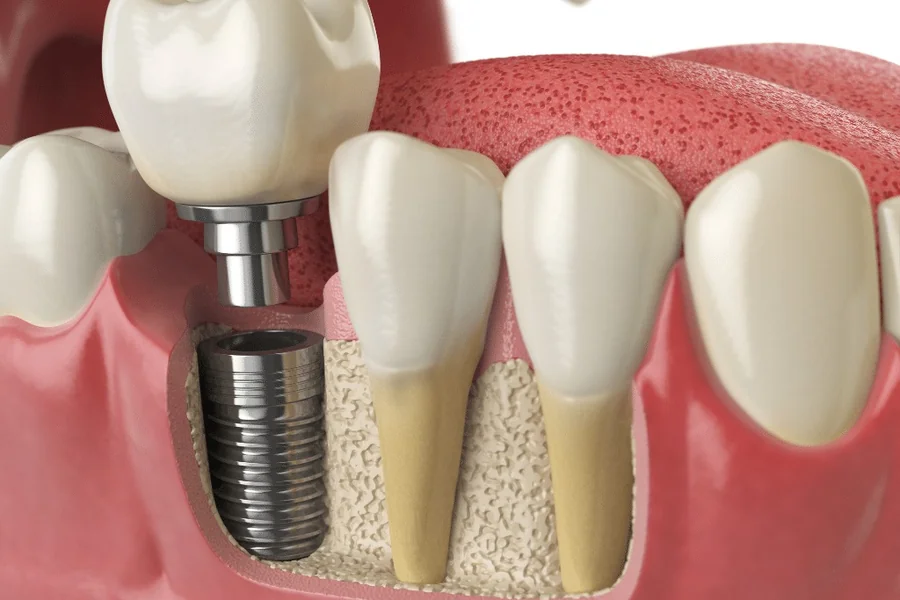
Dental implants can restore your ability to eat, speak, and smile with steady confidence. You may feel unsure about what happens before, during, and after treatment. That uncertainty can add stress to an already heavy decision. This guide explains the 4 steps involved in the implant dentistry process so you know what to expect from start to finish. You will see how planning, surgery, healing, and final placement work together to create a lasting result. Each step has a clear purpose. Each step protects your health. If you are thinking about Woodbridge dental implants, this overview can help you talk with your dentist, ask direct questions, and decide if implants match your needs. You deserve clear facts, plain language, and honest guidance. You also deserve a treatment plan that respects your time, your money, and your peace of mind.
Step 1: Planning And Evaluation
You start with a full check of your mouth and health. The dentist or specialist reviews your medical history, current medicines, and any past surgery. You talk about your goals. You also talk about fears, costs, and time.
Next, the team takes:
- X rays or 3D scans of your jaw
- Photos of your face and smile
- Impressions or digital scans of your teeth
These tests show how much bone you have and where nerves and sinuses sit. The images guide the exact spot for each implant. The planning step may also include blood tests or a note from your doctor if you have heart disease, diabetes, or use blood thinners.
You then receive a written plan. It lists the number of implants, need for bone grafts, kind of anesthesia, and the number of visits. The plan should be clear. You should feel safe to ask simple questions and expect straight answers.
Step 2: Implant Placement Surgery
The second step is surgery to place the titanium posts in the jaw. Before the first cut, the team checks your identity, treatment plan, and allergies. You receive local numbing of the mouth. You may also receive oral or IV medicine to help you relax.
During surgery the dentist:
- Makes small cuts in the gum
- Creates a space in the bone for each implant
- Places the implant post into the bone
- Closes the gum with stitches or leaves a small cap showing
The length of surgery depends on the number of implants and whether bone grafting is needed. Some people receive a small bone graft at the same visit. Some need a separate visit for larger grafts.
After surgery you get written home care steps. These usually include:
- Cold packs on the face for short times
- Soft food such as yogurt, eggs, and soup
- Rinsing with salt water as directed
- Not smoking
Pain is usually steady but can be managed with medicine. Swelling and small bruises are common. These signs should fade over several days. Call your dentist at once if you notice strong pain, fever, or heavy bleeding.
Step 3: Healing And Bone Connection
The third step is slow. The bone grows around the implant and locks it in place. This process is called fusion of bone and metal. It usually takes 3 to 6 months. The time can be longer if you had bone grafts or have some health limits.
During healing you still see your dentist. These visits allow the team to:
- Check gum health around the implant
- Confirm that the implant feels firm
- Clean spots you cannot reach at home
You must keep your mouth clean. You brush twice each day and clean between teeth. You avoid hard or sticky food on the implant side. You do not use tobacco. These steps protect the gum seal around the implant and lower the chance of infection.
Sometimes you receive a short term tooth that clips to nearby teeth or to the implant. This helps you smile and eat gentle food while the bone heals. Your dentist will guide you on what you can chew with a temporary tooth.
Step 4: Abutment And Crown Placement
After the bone has healed, the dentist uncovers the implant if it is under the gum. Then the dentist attaches an abutment. This is a small connector that holds the final crown.
The team then takes new impressions or scans. These records guide the lab that builds your final tooth or bridge. The crown color and shape are chosen to match your nearby teeth as closely as possible.
At the final visit the dentist:
- Tests the fit of the crown on the abutment
- Checks how your teeth meet when you bite
- Makes small changes to reduce stress on the implant
You leave with a tooth that feels steady. You should be able to chew most foods and speak with ease. The team will give you clear home care steps and a schedule for checkups.
Implants Compared With Other Tooth Replacement Options
Implants are one choice. Bridges and dentures are others. Each has pros and limits. The table below gives a simple side by side view for one missing tooth.
| Feature | Single Implant | Fixed Bridge | Removable Partial Denture
|
|---|---|---|---|
| Support | Stands in bone | Clings to nearby teeth | Clips to teeth and rests on gums |
| Effect on nearby teeth | No grinding of neighbor teeth | Needs grinding of neighbor teeth | Little change to neighbor teeth |
| Bone loss in gap | Helps slow bone loss | Bone loss often continues | Bone loss often continues |
| Stability when chewing | High | High | Low to medium |
| Removal for cleaning | No | No | Yes |
| Typical lifespan with care | Many years | Several years | Several years |
Keeping Your Implants Healthy Long Term
Implants need the same care as natural teeth. You must:
- Brush around the implant two times each day
- Use floss, small brushes, or water cleaners as directed
- See your dentist at least twice each year
You also protect your implants if you stop smoking, manage blood sugar, and use a mouth guard at night if you grind your teeth. These choices cut the risk of gum infection around the implant and early failure.
When you understand these four steps, the process feels less frightening. You can weigh your choices with a clear mind and protect your health with strong questions and steady care.
